
You’ve probably heard the term “safe space” thrown around a lot. And hey, there’s nothing wrong with wanting to feel safe! But here’s the thing we’ve learned at Remix Recovery: sometimes the magic happens when we get a little uncomfortable.
Welcome to the concept of brave spaces.
What’s a Safe Space, Anyway?
Let’s start with the basics. A safe space is exactly what it sounds like, a place where you feel protected, accepted, and free from judgment. It’s where you can show up as yourself without worrying about being attacked, shamed, or criticized.
Safe spaces are built on:
- Acceptance and validation
- Confidentiality
- Everyone gets heard
- No judgment zone
- Emotional security
And honestly? Safe spaces are crucial, especially if you’ve been dealing with trauma, abuse, or chronic discrimination. Sometimes you just need a place to breathe and be affirmed for who you are.
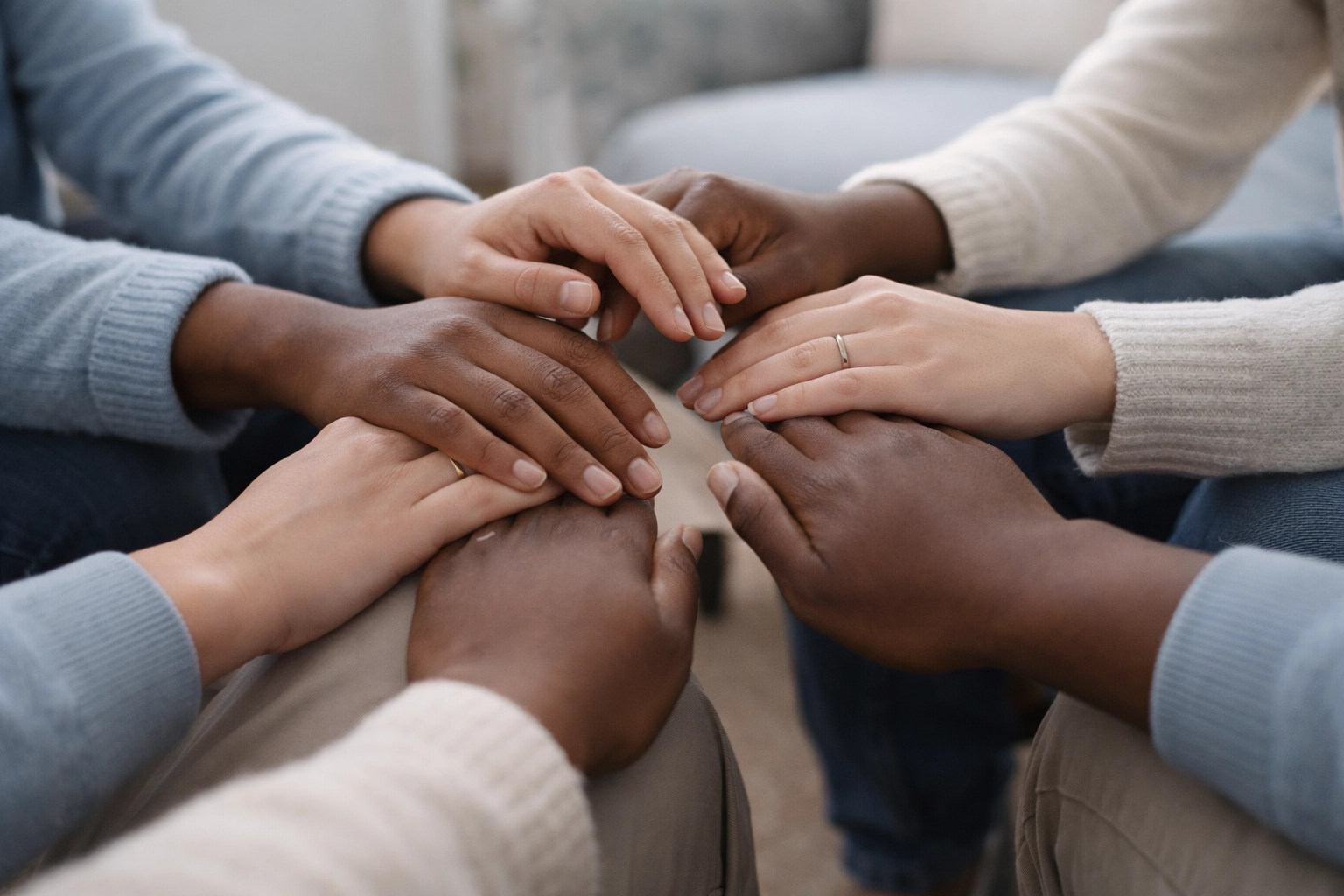
So What’s a Brave Space?
Here’s where things get interesting.
A brave space takes things a step further. It’s still respectful and confidential, but it adds something else into the mix: the willingness to be uncomfortable.
In a brave space, you’re encouraged to:
- Challenge your own assumptions (and maybe others’ too)
- Have the hard conversations
- Screw up and learn from it
- Sit with discomfort instead of running from it
- Take risks in sharing your real thoughts
- Hold each other accountable with compassion
Think of it this way: a safe space wraps you in a warm blanket. A brave space hands you the blanket but also asks, “What do you really need to face today?”
Why Brave Spaces Work for Peer Support
Here’s what we’ve learned from running peer support groups at Remix Recovery: real growth happens at the edge of your comfort zone.
When you’re dealing with addiction recovery, mental health struggles, or just trying to figure out how to be a functioning human, you need more than validation. You need truth. You need people who’ll call you out (with love) when you’re bullshitting yourself. You need to practice having hard conversations in a place where people actually get it.
Peer support is different from therapy. Your peers aren’t there to fix you or give you clinical advice. They’re there because they’ve been in the trenches too. They know what it’s like to struggle, to relapse, to feel like you’re drowning. And sometimes, the most helpful thing isn’t “you’re doing great!”, it’s “I’ve been there, and here’s what I wish someone had told me.”

The Real Talk About Safe Spaces
Look, we’re not anti-safe-space. Not even close!
Safe spaces are absolutely necessary for many people, especially when you’re:
- New to recovery and everything feels raw
- Processing fresh trauma
- Part of a marginalized community that faces constant oppression
- Just needing a damn break from explaining yourself
But here’s the limitation: if we only stay in safe spaces, we might avoid the very conversations that lead to real change. We might stay comfortable instead of growing. We might protect our feelings so much that we never challenge the beliefs holding us back.
How Brave Spaces Actually Work
Brave spaces aren’t a free-for-all where people can say whatever they want. That’s not brave, that’s just chaos!
A real brave space has ground rules:
- Respect is non-negotiable. You can challenge ideas without attacking people.
- Controversy with civility. We can disagree and still have each other’s backs.
- Own your mistakes. Said something ignorant? Cool, acknowledge it and learn.
- Confidentiality still matters. What’s shared in the group stays in the group.
- Listen with the intent to understand, not just respond.
The goal isn’t to make people feel bad. It’s to create an environment where everyone can show up authentically, messy parts and all, and be met with both compassion AND accountability.

What This Looks Like in Real Life
Let’s say someone in your peer support group is three months sober and keeps talking about how they’re “totally fine” going to bars with old friends.
In a safe space focused only on validation, the group might say: “We support whatever you decide! You know yourself best.”
In a brave space, someone might say: “Hey, I love you, and I’ve been exactly where you are. I told myself the same thing, and I relapsed two weeks later. What’s really going on? Are you setting yourself up?”
That’s not judgment. That’s love. That’s peer support doing what it does best, offering real talk from someone who’s walked the same path.
The Beautiful Hybrid Approach
Here’s our philosophy at Remix Recovery: we aim to be safe enough to participate, brave enough to grow.
We’re not throwing anyone into the deep end without a life jacket. But we’re also not letting people hide behind comfort when they’re ready for the next step. Our facilitators are trained to read the room, to know when someone needs pure support and when they’re ready for a gentle challenge.
Some days, you need the group to just hold space for your pain. Other days, you need them to lovingly call you on your BS. A good peer support group knows the difference.

Why This Matters for Mental Health and Addiction Recovery
Mental health stigma and addiction stigma thrive in silence. They feed on shame. They grow when we pretend everything’s fine or when we only surround ourselves with people who won’t push back.
Brave spaces break stigma because they normalize struggle AND accountability. They say:
- “Yeah, recovery is hard, and you’re not alone.”
- “Also, let’s talk about why you keep ghosting your support system.”
- “And hey, let’s figure out together what’s really underneath this pattern.”
When we create brave spaces in peer support, we’re not just helping individuals: we’re changing the entire culture around mental health and addiction. We’re saying it’s okay to be messy AND it’s okay to expect better from ourselves.
How to Know If a Brave Space Is Right for You
Not sure if you’re ready for a brave space approach? Ask yourself:
- Am I willing to hear difficult feedback from people who care about me?
- Can I sit with discomfort instead of shutting down?
- Do I want to challenge my own patterns, not just get validation?
- Am I ready to be accountable to a community?
If you answered yes, a brave space peer support group might be exactly what you need.
If you’re in crisis or dealing with fresh trauma, start with spaces that prioritize safety and emotional support. There’s zero shame in that. Brave spaces will be there when you’re ready.
Join Us in the Brave Space
At Remix Recovery, we believe in creating spaces where you can be real, messy, imperfect, and still completely worthy of support. We believe in peer support that challenges you to grow while holding you when you fall.
Check out our support groups and see what we’re all about. Whether you’re dealing with addiction recovery, mental health challenges, or just trying to figure out life, we’ve got a crew waiting for you.
Because recovery isn’t about being perfect. It’s about being brave enough to keep showing up.
Ready to get uncomfortable in the best possible way? That’s where the real transformation happens. See you in the brave space!