
Date: February 17, 2026
Author: Remix Recovery
Category: Remix Recovery
Template: Single Post (No Sidebar)
Keywords: brave space, cancer survivor journey, domestic violence recovery, peer support groups
Stepping out of the shadows can look like a million different things, but it usually starts the same way: you stop carrying it alone.
Why "Brave" and Not "Safe"?
“Safe” sounds nice. Soft. Comforting.
But a lot of us didn’t come from safe. We came from cancer, violence, addiction, loss, chaos, the kind of stuff that rewires your nervous system. So when someone promises “safe,” it can feel… off. Like a guarantee nobody can actually make.
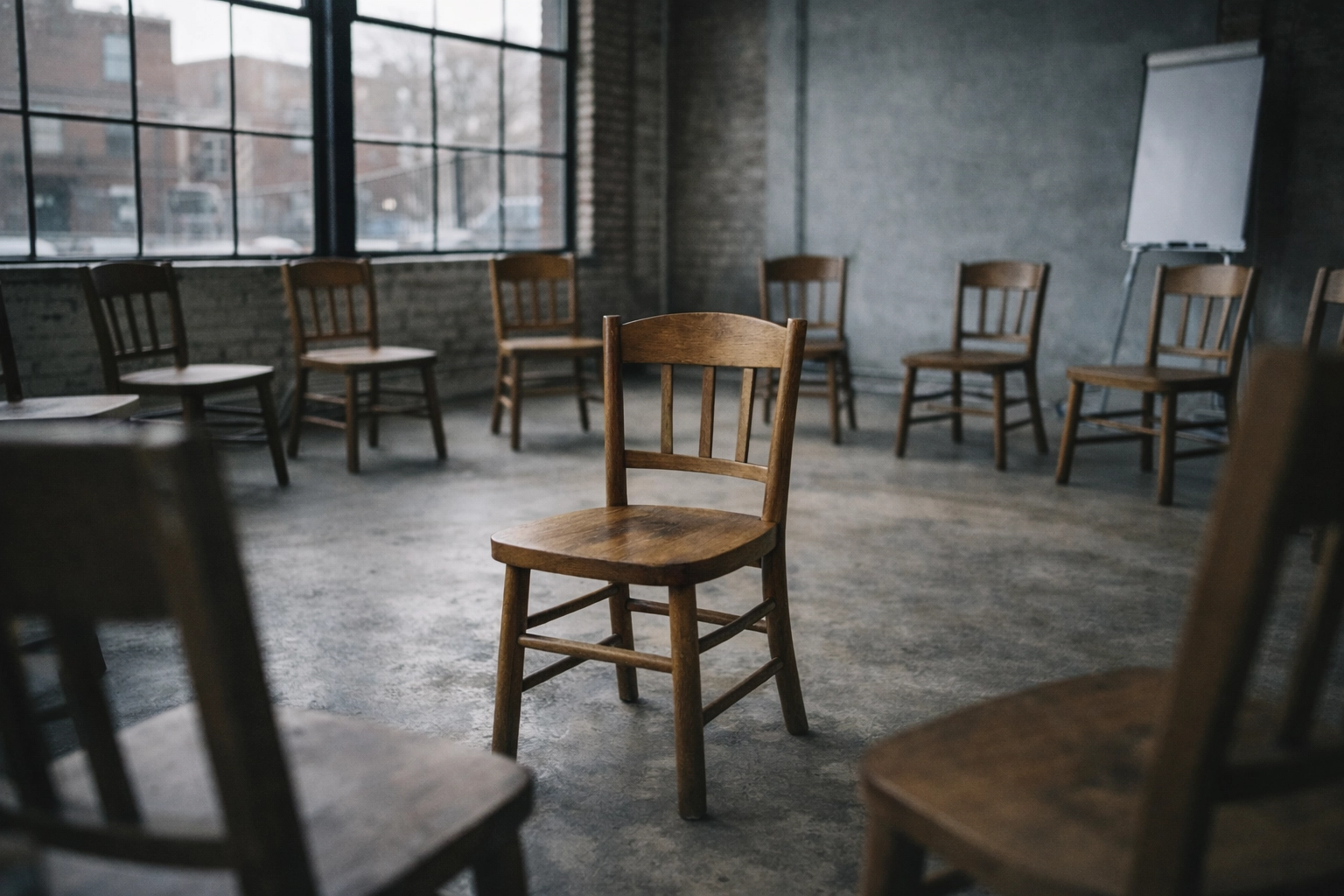
That’s where a Brave Space hits different.
A Brave Space doesn’t promise comfort. It promises truth, choice, boundaries, respect, and real people who can sit with hard stories without flinching.
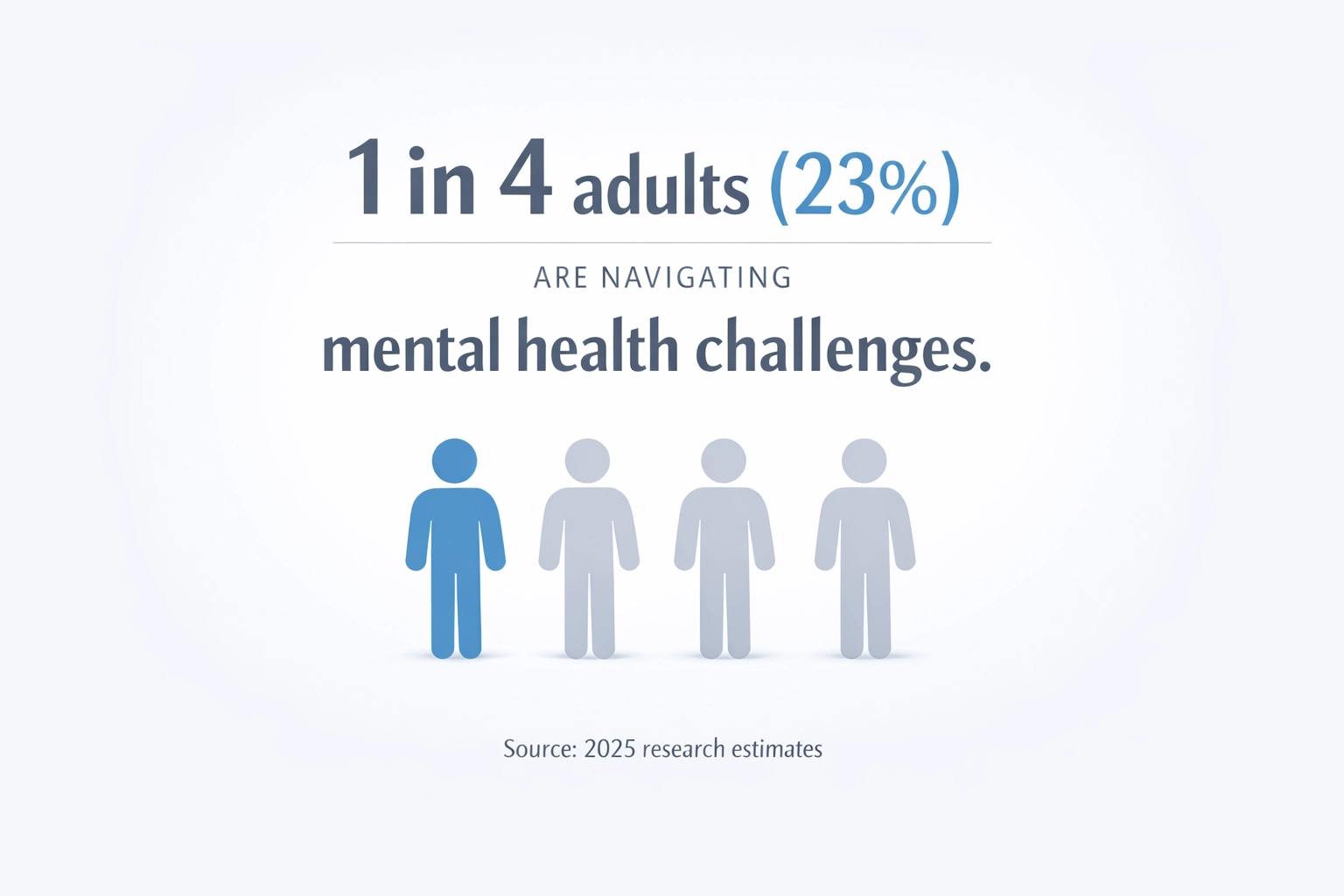
And it matters because this isn’t rare. About 23% of adults (roughly 1 in 4) are currently navigating mental health challenges. If that’s you, you’re not broken. You’re not alone. You’re in the human majority.
The Day Everything Felt Too Heavy
There’s a specific kind of tired that comes after survival. You beat cancer, you leave the relationship, you make it through, and then one random Tuesday you realize you don’t actually know how to live anymore.
That was me about six months after my last treatment ended. Three years after I finally walked out that door for good.
I was doing everything “right” on paper. Going to work, paying bills, showing up.
But inside? I was drowning.
Here’s the educational part nobody says out loud: this is what “navigating mental health challenges” can look like in real life. It’s not always dramatic. Sometimes it’s just you functioning… while quietly falling apart.
And this is why peer support matters. Research on peer support interventions shows small-but-real gains in empowerment (about +0.15 points on empowerment measures). That might sound tiny until you remember what empowerment actually is: I have a voice. I have choices. I’m not alone. I’m allowed to take up space.
That’s the opposite of the shadow.
The Fear of Being Seen
Here’s what nobody tells you about asking for help: it’s terrifying.

Survivor mode teaches you to hide. You smile when you’re dying inside. You say “I’m fine” when you’re anything but. You get really good at being small, invisible, manageable.
And then comes the moment where you realize: staying hidden is costing you your life.
Quick Takeaway: 3 steps to step out of the shadows
1) Find a peer. One person. One group. One Brave Space where lived experience is respected.
2) Speak the truth (one sentence is enough). “I’m not okay.” “I need support.” “I can’t do this alone.”
3) Show up again. The first time cracks the door. The second time builds trust.
I found a peer support group through a friend who’d been going for months. She kept it simple: “There’s a meeting Thursday night if you want to come. No pressure.”
I almost didn’t go. I changed my outfit three times. I sat in my car outside the building for fifteen minutes.
Then I walked in.
What Happened When I Showed Up
The room was smaller than I expected. Folding chairs in a circle. Coffee in paper cups. Nothing fancy.
And the people? They looked normal. Like people you'd see at Target or the coffee shop. Nobody had "trauma survivor" tattooed on their forehead.

We went around the circle. First names only. You could share or just listen. No pressure.
When it got to me, my voice shook. "I'm… I've been through some things. Cancer. And other stuff. I don't really know why I'm here but I know I can't keep doing this alone."
That's all I said.
And you know what happened? Nobody gasped. Nobody looked at me with pity. Nobody tried to fix me.
One woman across the circle just nodded and said, "Yeah. That makes sense. I'm glad you're here."
That was it.
But it was everything.
The Difference Peer Support Makes
Here's what I learned in that first meeting: there's a massive difference between people who feel sorry for you and people who get you.
Therapy is important. Doctors are important. Professional support is crucial and I'm not knocking any of that.
But peer support? That's different.
These were people who'd lived through their own versions of hell. Different details, same language. They understood the nightmares without me having to explain them. They knew what it felt like to survive something and then have to figure out how to exist afterward.
Nobody was there to fix anyone. We were just there to witness each other. To say "me too" and "you're not crazy" and "that's really hard and you're still here and that matters."
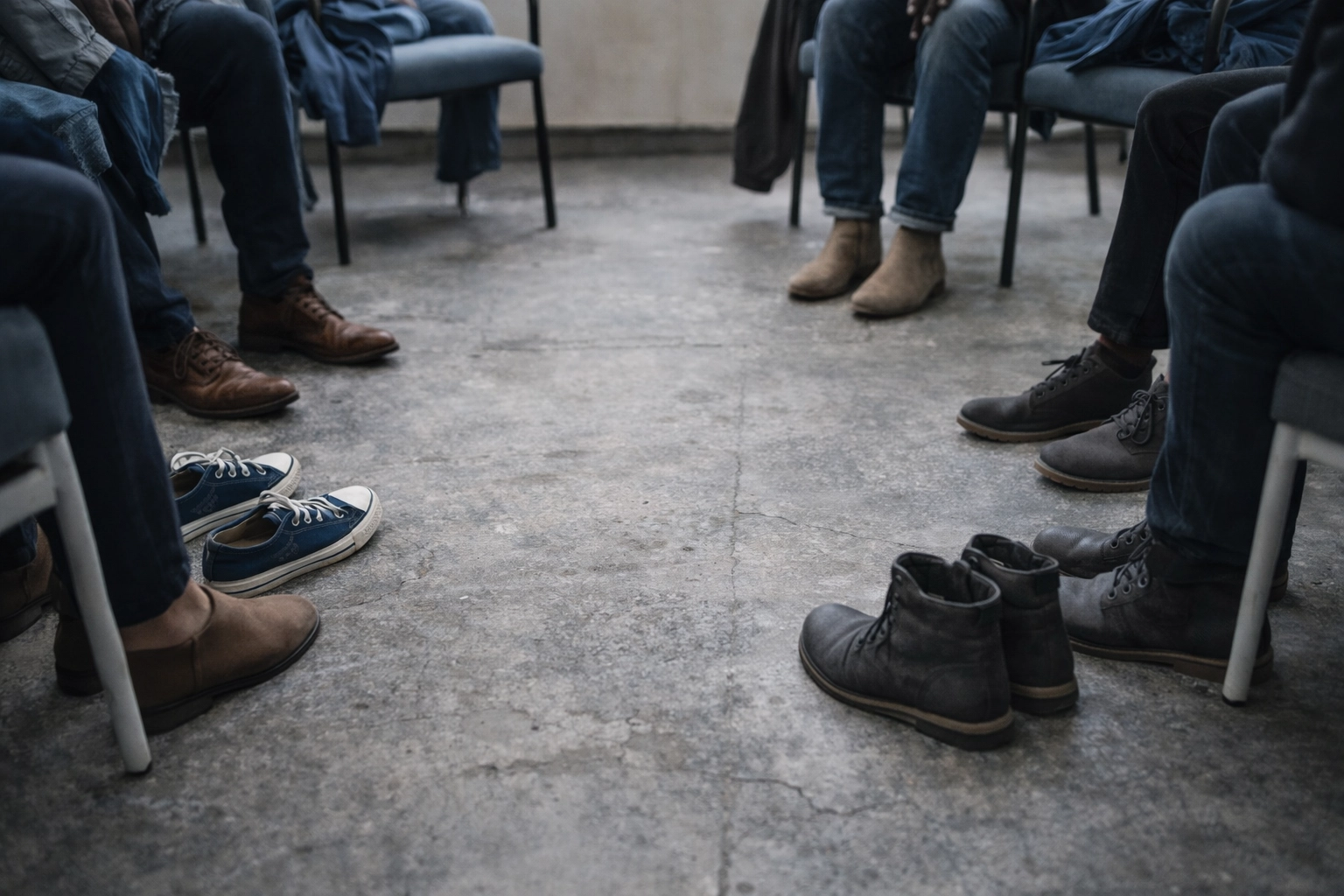
For the first time in years, I didn't feel alone.
I didn't feel like the only person carrying impossible weight.
I felt… human.
This Is Just the Beginning
I'm writing this series because I wish someone had told me what the first year of recovery: real recovery, not just physical survival: actually looks like.
It's messy. It's not linear. Some weeks you'll feel strong and some weeks you'll feel like you're back at square one.
But showing up? Taking that first step into a brave space? That's where everything changes.
This is Week 1 of my journey. Our journey, really, because if you're reading this and something in your gut says "I need this too": you're already starting yours.
Over the next 52 weeks, I'll be sharing what I learned, what surprised me, what broke me open, and what put me back together. Not because I have all the answers. Not because I'm some inspiration-poster success story.
But because someone needs to hear that it's okay to not be okay. That asking for help isn't weakness. That brave spaces exist and they're full of real people who understand.
You don't have to do this alone.
Next week: What happened in my first month of showing up: and why I almost quit three times.
If you're looking for peer support in your area, check out resources at Remix Recovery. You don't have to figure this out by yourself.