
category: Remix Recovery
template: Single Post (No Sidebar)
Let's talk about the elephant in the garage, mental health in the motorcycle community is a mess, and we all know it.
The Unspoken Rule
You roll into a bike meet, and the vibe is electric. Engines rumbling, leather jackets, stories about the last rally, who's got the cleanest build. It's a brotherhood. A sisterhood. A place where you belong.
But try bringing up the fact that you've been struggling with depression, or that your PTSD is keeping you up at night, or that you're barely holding it together after losing someone you love? The room gets quiet real fast.
That's the tough guy trap, and it's killing us.
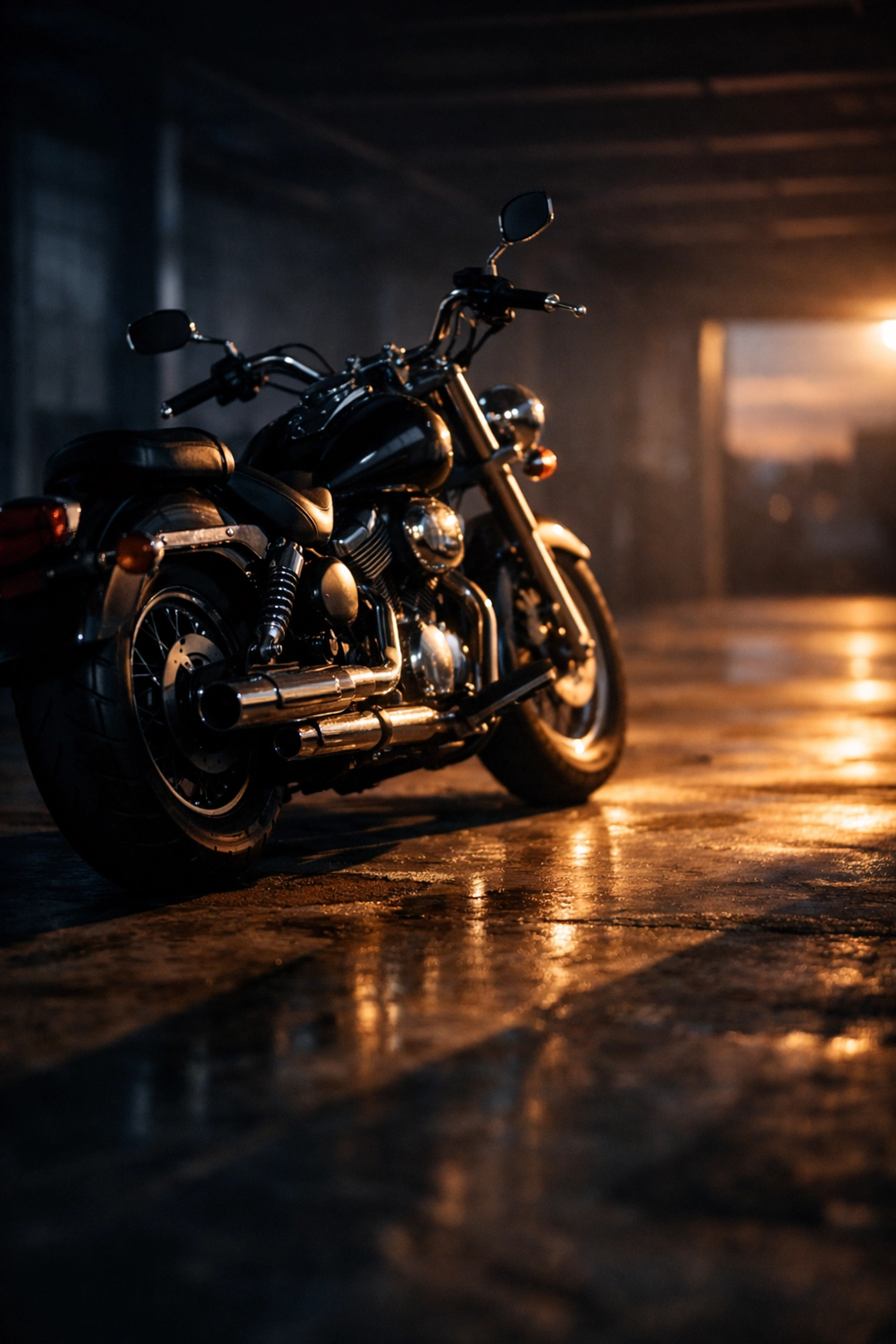
In the biker world, there's this unspoken expectation that you handle your own problems. You don't complain. You don't cry. You definitely don't talk about therapy or mental health support groups. The message is clear: Suck it up. Get on with it. Be tough.
I get it. I've been there. I've sat in circles where admitting weakness felt like admitting defeat. Where asking for help seemed like betraying some code we all signed up for without realizing it.
But here's the thing, that code is garbage.
Why Mental Health Stigma Thrives in the Motorcycle Community
Most of us who ride come from backgrounds where showing vulnerability wasn't an option. Maybe you grew up in a family where emotions weren't discussed. Maybe you served in the military and learned to compartmentalize everything. Maybe you survived something that made you build walls so high nobody could get in.
The motorcycle community is full of middle-aged men and women who were raised with the "just deal with it" mentality. We're used to fixing things ourselves, our bikes, our problems, our pain. And we wear that independence like a badge of honor.
But when you layer that cultural norm on top of real trauma, addiction, PTSD, domestic violence, loss, illness, you've got a recipe for disaster.
The statistics don't lie. Middle-aged men have one of the highest suicide rates in the country. And in communities where mental health stigma is baked into the culture? It's even worse.
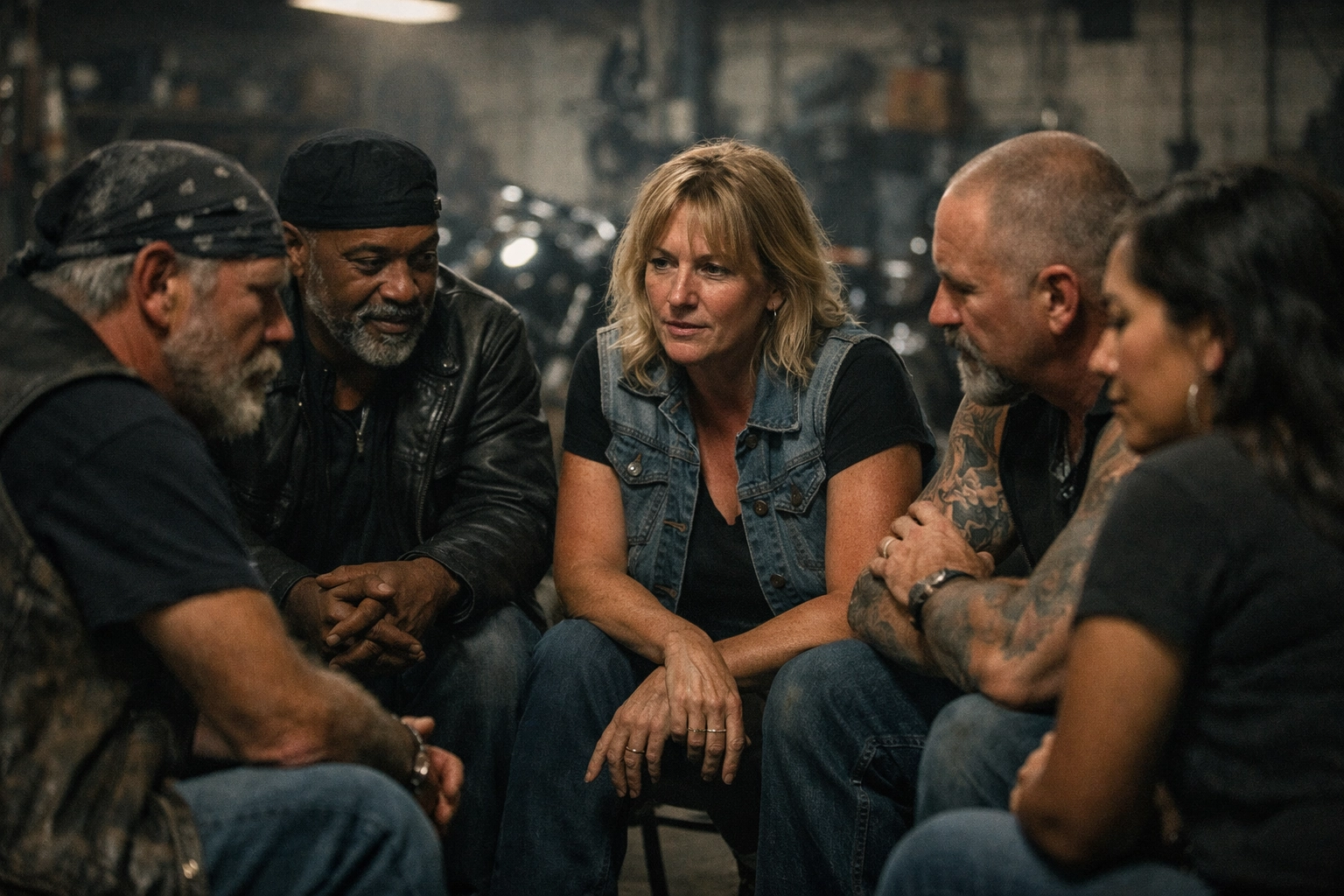
I've known riders who seemed fine on the surface. Who showed up to every event, who laughed the loudest, who always had your back. And then one day, they're gone. And we're all left standing around wondering why we didn't see the signs.
The truth? We did see the signs. We just didn't know how to talk about them.
What the 'Tough Guy' Act Actually Costs Us
Let's be brutally honest, pretending you're fine when you're not doesn't make you strong. It makes you alone.
I've been in dark places. Places where I wasn't sure I'd make it through the night. And the hardest part wasn't the pain itself, it was feeling like I couldn't tell anyone about it. Like admitting I was struggling would make me weak. Would make me less than.
So I kept riding. Kept showing up. Kept smiling. And kept dying inside.
That's what the tough guy trap does. It isolates you. It convinces you that reaching out is failure. It tells you that real strength means handling everything on your own.
But that's not strength. That's slow-motion suicide.
When you bottle everything up, when you refuse to talk about what's really going on, you're not protecting yourself, you're suffocating. And eventually, something's got to give.
Why We Need Brave Spaces in the Biker Community
So what's the answer? How do we break the cycle?
Brave spaces.
Not safe spaces. Not places where we sugarcoat reality or avoid hard conversations. But brave spaces, places where we can show up exactly as we are, messy and broken and struggling, and know we won't be judged for it.
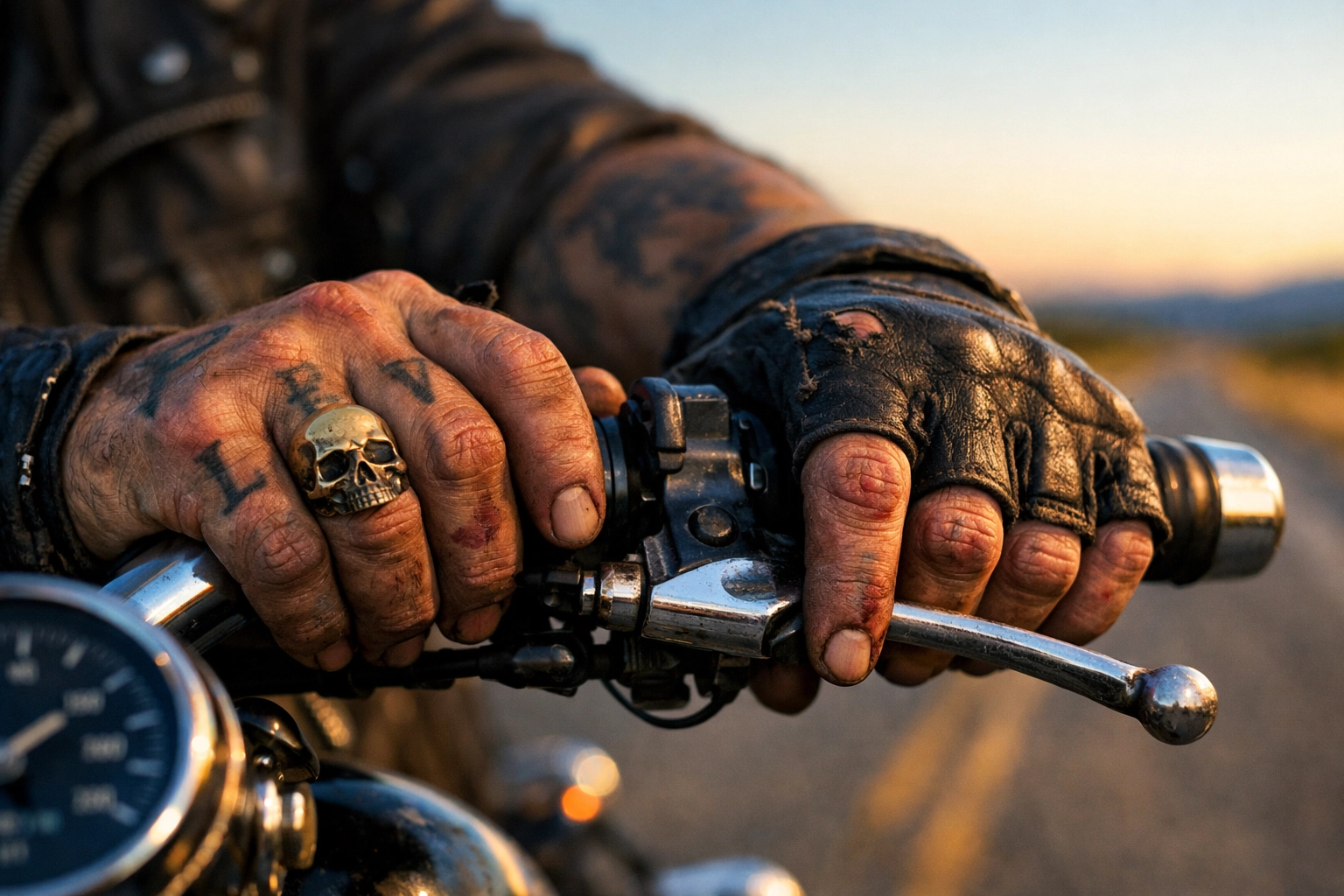
A brave space doesn't mean everything is comfortable. It means we're willing to get uncomfortable together. To talk about the things that scare us. To admit when we're not okay. To ask for help and offer it without making it weird.
In the motorcycle community, brave spaces might look like:
- A group of riders who check in on each other, really check in, not just "How's it going?" but "No, seriously, how are you actually doing?"
- Bike clubs that normalize conversations about mental health and addiction
- Rallies and events where peer support is part of the culture, not an afterthought
- Cafés and shops where people know they can talk to someone who gets it
Organizations like Mental Health Motorbike are already doing this work. They've trained over 500 mental health first aiders in the biking community. They're putting support systems in place so that riders know there's someone they can talk to without judgment.
And initiatives like "Ride to Clear" and the "Wish You Were Here Ride" are spreading the message that it's okay to talk. And it's okay to ask for help.
How Remix Racing Is Building Brave Spaces
At Remix Recovery, we're all about breaking the stigma and creating spaces where real conversations can happen. And Remix Racing is one of the ways we're doing that in the motorcycle community.
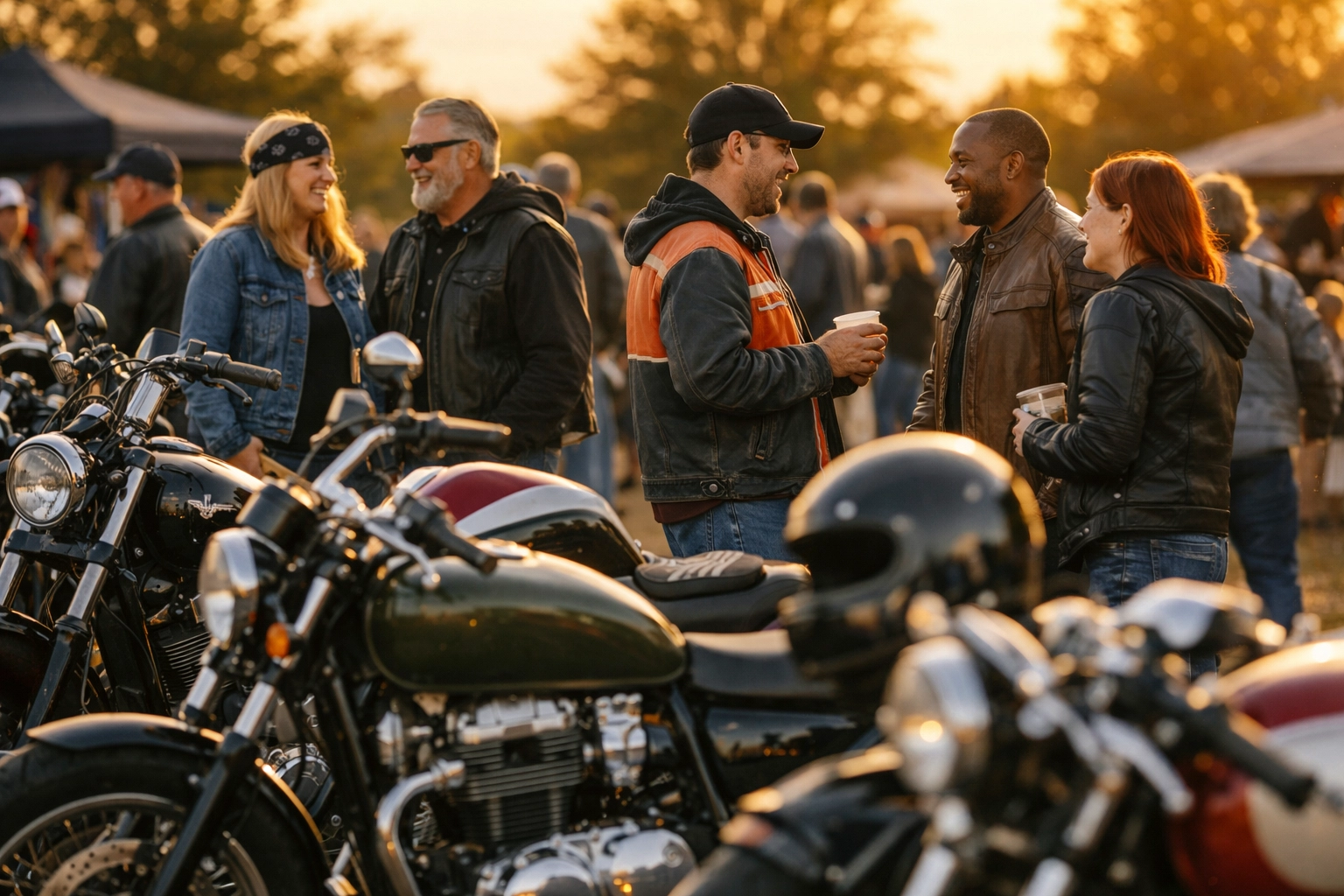
Remix Racing isn't just about bikes and speed. It's about building a community of riders who understand that recovery, mental health, and addiction are part of the journey, not something to hide.
When you show up to a Remix Racing event, you're not just showing up to wrench on bikes or talk horsepower. You're showing up to a brave space where people have lived experience with trauma, addiction, mental health struggles, and recovery. Where the guy working on a carburetor next to you might also be the guy who gets what it's like to fight your way back from rock bottom.
We ride together. We work on bikes together. And yeah, we talk about the hard stuff too. Because we've learned that vulnerability isn't weakness, it's the most badass thing you can do.
Our support groups are peer-led, which means they're run by people who've been there. Who've sat in the dark wondering if they'd make it out. Who know what it's like to rebuild your life one day at a time.
And we bring that same energy to Remix Racing. It's not therapy on wheels, it's community. It's brotherhood. It's a place where you can be real about what you're going through and know that nobody's going to judge you for it.
Breaking the Cycle Starts with You
If you're reading this and thinking, "Yeah, I've been in the tough guy trap": you're not alone.
Maybe you've been struggling for years and haven't told anyone. Maybe you're barely holding it together but keep showing up with a smile on your face. Maybe you've lost people you care about and blamed yourself for not seeing the signs.
It's time to stop.
Mental health stigma in the biker community: or any community: only survives because we keep feeding it. We keep pretending. We keep avoiding the conversation. We keep believing the lie that asking for help makes us weak.
But the truth is, asking for help is the bravest thing you can do.
So here's what I'm asking you to do:
- Check in on your riding buddies. For real. Ask the hard questions and actually listen to the answers.
- Talk about your own struggles. Break the silence. Be the person who's willing to go first.
- Show up to events and groups where mental health and recovery are part of the culture: like Remix Recovery.
- Support organizations that are doing the work to break mental health stigma in the motorcycle community.
And if you're struggling right now? Reach out. Talk to someone. Join a support group. You don't have to have all the answers. You just have to be willing to start the conversation.
The tough guy act might seem like protection, but it's a trap. And breaking free from it isn't weakness: it's survival.
Let's ride together. Let's talk together. And let's build brave spaces where nobody has to pretend they're okay when they're not.