
There's no GPS for bipolar disorder. No turn-by-turn directions telling you when the mania's about to hit or when the depression will pull you under.
I learned that the hard way, sitting in my driveway at 3 a.m., keys in hand, engine idling, convinced I could ride clear across the state before sunrise. That's the thing about bipolar: sometimes your brain is a finely-tuned racing bike, and sometimes it's a rusted-out junker that won't start no matter how hard you kick it.
The Runaway Ride You Didn't Sign Up For
Most people think bipolar disorder is just "mood swings." They don't get that it's more like being strapped to a motorcycle with no brakes, no clutch, and someone else controlling the throttle. You don't get to choose when the engine revs or when it stalls out completely.
During a manic episode, I'm that sports car with 500 horsepower, invincible, untouchable, capable of anything. I'll plan five projects before breakfast, deep-clean the garage at midnight, and convince myself I can rebuild an entire engine in a weekend with zero mechanical experience. Everything feels possible. Everything feels necessary.
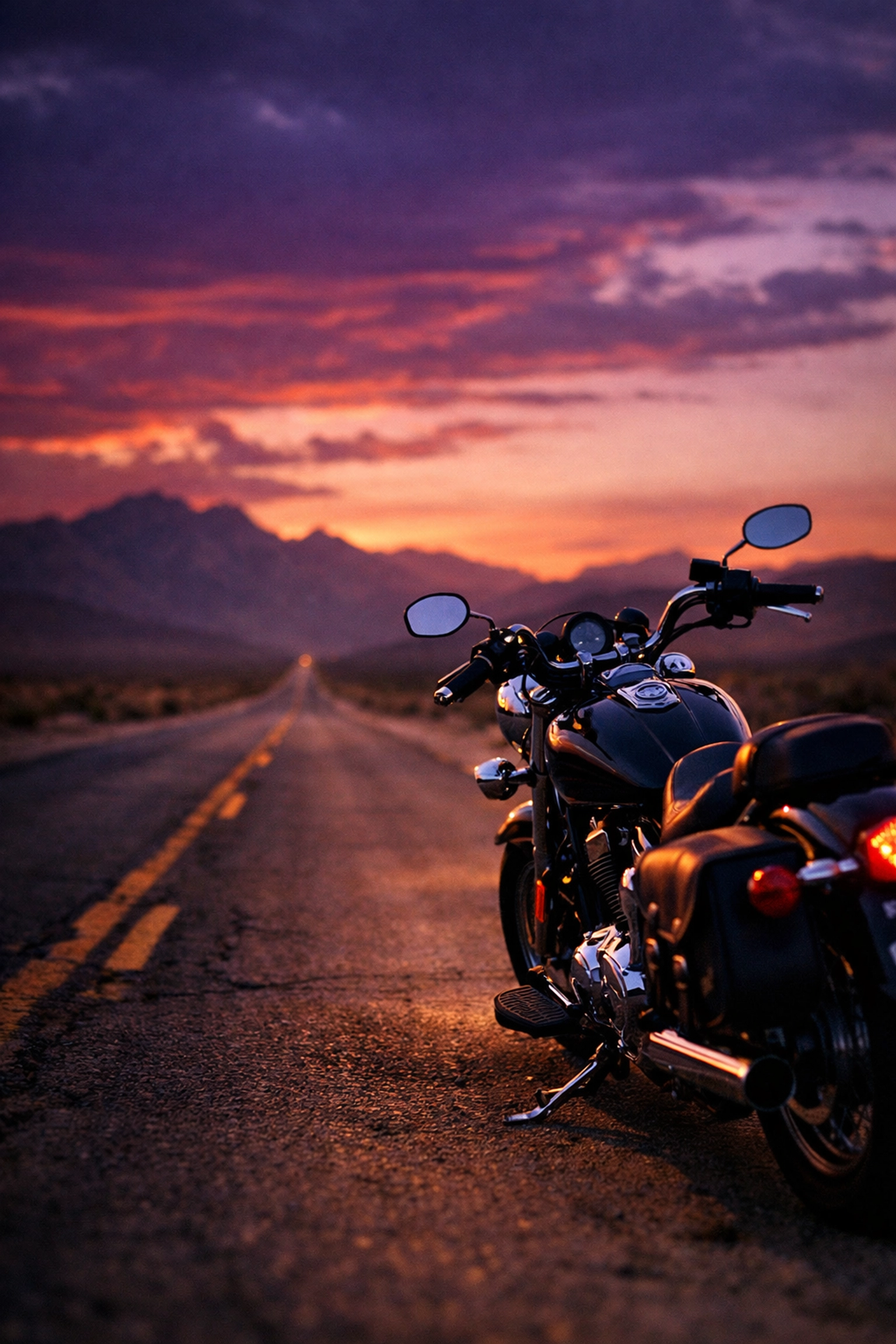
Then the crash comes.
Depression doesn't ease in like fog rolling across the highway. It slams into you like hitting a concrete barrier at full speed. Suddenly, that same brain that was firing on all cylinders can barely remember why getting out of bed matters. The bike you were obsessed with last week? It sits in the garage collecting dust because lifting a wrench feels like lifting a boulder.
The worst part? Everyone around you sees the inconsistency and thinks you're unreliable. They don't see the internal battle. They just see someone who can't keep their commitments, who flakes on plans, who seems like a completely different person week to week.
Why the Motorcycle Community Gets It (Even When They Don't Know They Do)
I found my way to the motorcycle community by accident. Or maybe desperation. After years of traditional therapy that felt like talking to a wall, I needed something that made sense to my brain, something that didn't involve sitting still and "processing feelings."
Riding gave me that.
There's something about being on two wheels that forces you into the present moment. You can't overthink when you're navigating traffic. You can't spiral into depression when you're leaning into a curve at 60 mph. The road demands your full attention, and for someone with bipolar disorder, that's a rare gift.
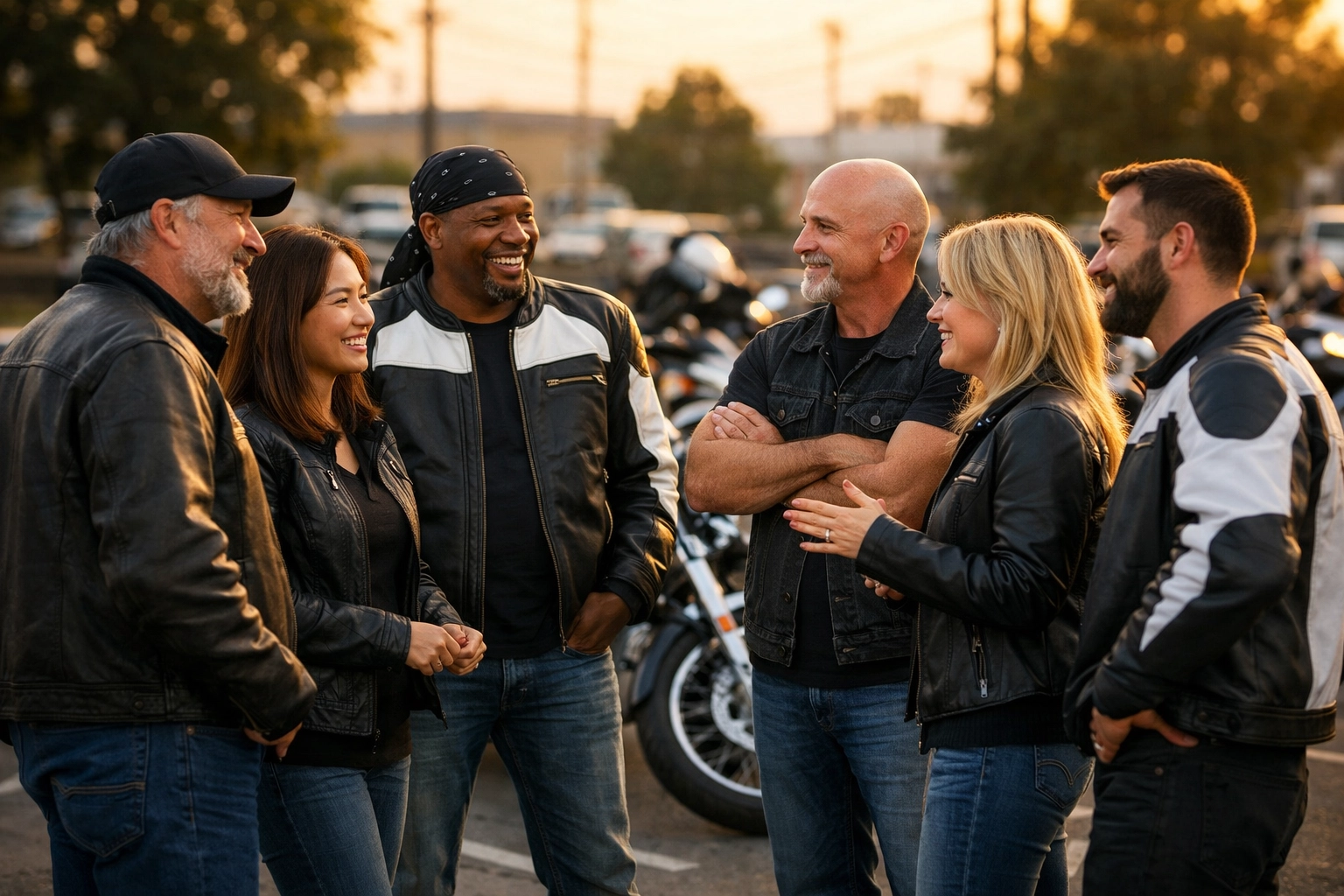
But more than the riding itself, it was the people. The biker community doesn't do small talk or surface-level politeness. They get straight to the point. They've all got their own demons, addiction, PTSD, trauma you wouldn't believe. Nobody's pretending to have their life together, and that's weirdly comforting.
When I finally opened up about my bipolar diagnosis at a group ride, I expected judgment. Instead, I got nods. Stories. A guy named Marcus told me about his own struggles with mental health stigma after he got sober. Another rider, Val, talked about managing anxiety while racing. Nobody flinched. Nobody told me to "just think positive."
That's when I realized: this was a bipolar support group disguised as a motorcycle club.
The Map Nobody Gave Me
Here's what they don't tell you about living with bipolar disorder: medication helps, but it's not a cure. It's more like adding better suspension to your bike, it smooths out some of the bumps, but the road's still unpredictable.
I spent years trying to find the "right" combination of meds, the "right" therapist, the "right" routine. And yeah, all of that matters. But what actually saved me was finding peer support groups where people spoke my language.
Not clinical language. Not textbook definitions. Real talk from people who've been in the ditch and clawed their way back out.
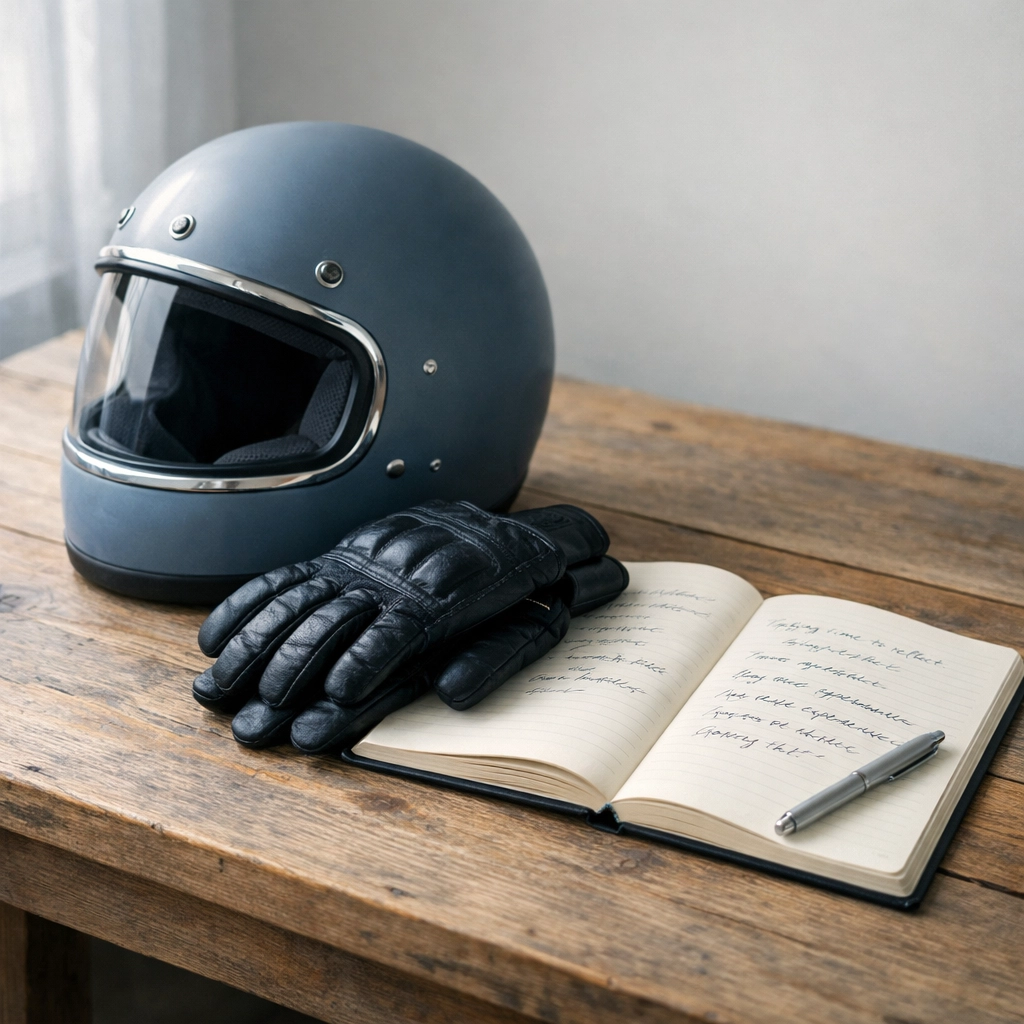
In traditional therapy, I felt like I had to perform stability. I had to prove I was "managing" my condition. But in peer support, especially in spaces like Remix Recovery's support groups, I could show up exactly as I was. Manic? Depressed? Somewhere in the murky middle? Didn't matter. Everyone got it.
That's the power of lived experience. When someone who's been through the same hell tells you, "Yeah, I've been there, and here's what worked for me," it hits different than a therapist reading from the DSM-5.
Navigating Without Warning Signs
The hardest part of bipolar disorder isn't the extremes: it's the fact that you never know when they're coming. There's no "Check Engine" light for your brain. No flashing sign that says, "Caution: Mania Ahead."
I've learned to watch for patterns, though. Little warning signs that my internal GPS picks up on now:
- When I start making grandiose plans at 2 a.m.? That's the mania creeping in.
- When my favorite bike starts to feel like a chore instead of freedom? Depression's knocking.
- When I isolate and cancel rides three weeks in a row? I'm spiraling.
These aren't foolproof. Sometimes the mood shift comes out of nowhere, and I'm left scrambling to adjust. But having a community that understands: people who check in, who notice when I've gone quiet, who won't let me disappear completely: that's what keeps me on the road.
Breaking the Stigma, One Ride at a Time
Mental health stigma is real, and it's exhausting. People still think bipolar disorder means you're "crazy" or "unstable" or "dangerous." They don't see the person fighting every day just to stay balanced. They don't see the courage it takes to admit you need help.
In the motorcycle community, we've started talking about it more. Slowly. It's not easy: bikers are tough, and toughness doesn't always leave room for vulnerability. But the more we share our stories, the more we realize we're not alone.
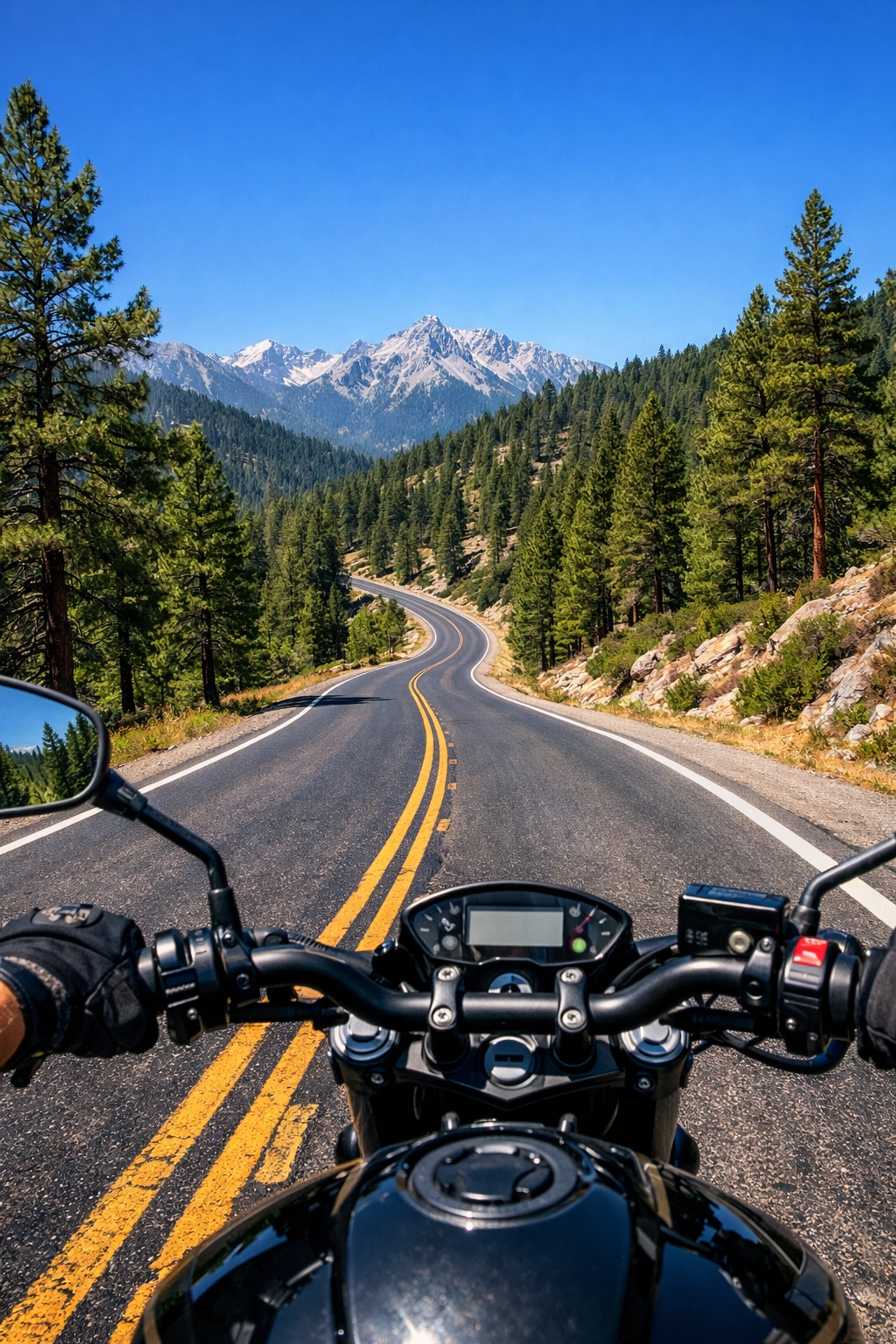
That's why spaces like Remix Recovery matter. They don't just offer support: they offer brave spaces where you can be messy, complicated, and still in progress. Where you can admit you don't have all the answers and nobody expects you to.
The Road Ahead
I still don't have a map. Bipolar disorder doesn't work that way. Some days I'm cruising smooth, engine humming, wind in my face. Other days I'm pulled over on the shoulder, trying to figure out why everything stopped working.
But I'm not riding alone anymore.
That's what peer support groups give you: a crew. People who've broken down on the same stretch of highway. People who know what it's like to lose control and have to rebuild from scratch. People who won't judge you for needing help, because they've been there too.
If you're struggling with bipolar disorder, addiction, or just trying to navigate life without a map, find your crew. Find the people who get it. Whether that's a traditional bipolar support group, a recovery community, or a bunch of bikers who meet up every Tuesday to ride and talk real: find the place where you can be honest.
Because the open road is a hell of a lot less lonely when you've got people riding beside you.