
Category: Remix Recovery
Template: Single Post (No Sidebar)
Look, I'm going to say something that might sound controversial at first: the specific recovery method you choose? It matters way less than who's standing beside you while you do it.
I know, I know. We spend so much time debating 12-step versus SMART Recovery versus medication-assisted treatment versus holistic approaches. We obsess over finding the "right" program like there's some magic formula out there that'll make everything click into place.
But here's what actually happens in real life: people succeed in recovery when they're surrounded by people who give a damn. And people struggle, or relapse, when they're trying to white-knuckle it alone.
Your crew matters more than your method. Let me tell you why.
The Myth of the Perfect Program
We've all heard the stories. Someone swears by AA. Someone else says it didn't work for them at all, but outpatient therapy changed everything. Another person credits their recovery to community support groups and peer connections.
And you know what? They're all right.
Because the program itself isn't what saved them. The connection they found within that program, the people who showed up, the relationships they built, the sense of belonging they finally felt, that's what made the difference.
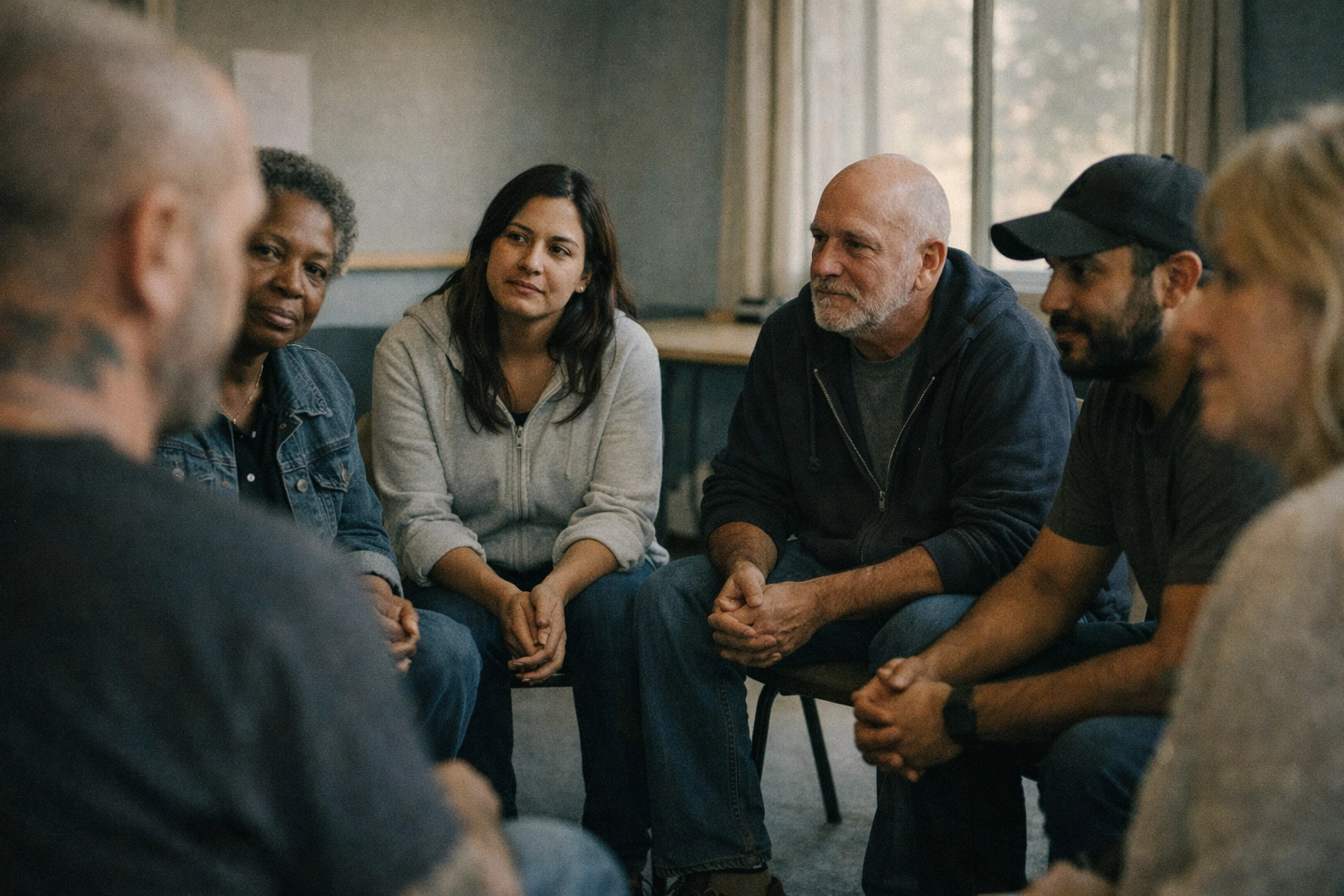
Think about it this way: you can have the most evidence-based, clinically proven treatment protocol in the world. But if you're sitting in those sessions feeling isolated, judged, or like nobody really gets what you're going through? You're probably not coming back.
On the flip side, you could be in a program that's not "perfect" by clinical standards, but if you've found your people, your crew, you'll keep showing up. You'll do the work. You'll reach out when you're struggling instead of disappearing into old patterns.
Why Going It Alone Doesn't Work
Addiction thrives in secrecy. It grows in isolation. It gets stronger every time you tell yourself, "I can handle this on my own."
And here's the brutal truth: you probably can't handle it on your own. Not because you're weak, but because humans aren't wired to heal in isolation. We're social creatures. We need connection like we need oxygen.
When you're in active addiction, you've likely already isolated yourself, sometimes without even realizing it. You've pushed people away, burned bridges, or just slowly drifted from relationships that used to matter. The substance becomes your primary relationship.
Recovery means rebuilding connection. It means finding people who understand what you're going through because they've been there too. It means having someone to text at 2 AM when you're thinking about using. It means showing up to a group and seeing familiar faces who are genuinely happy you made it.
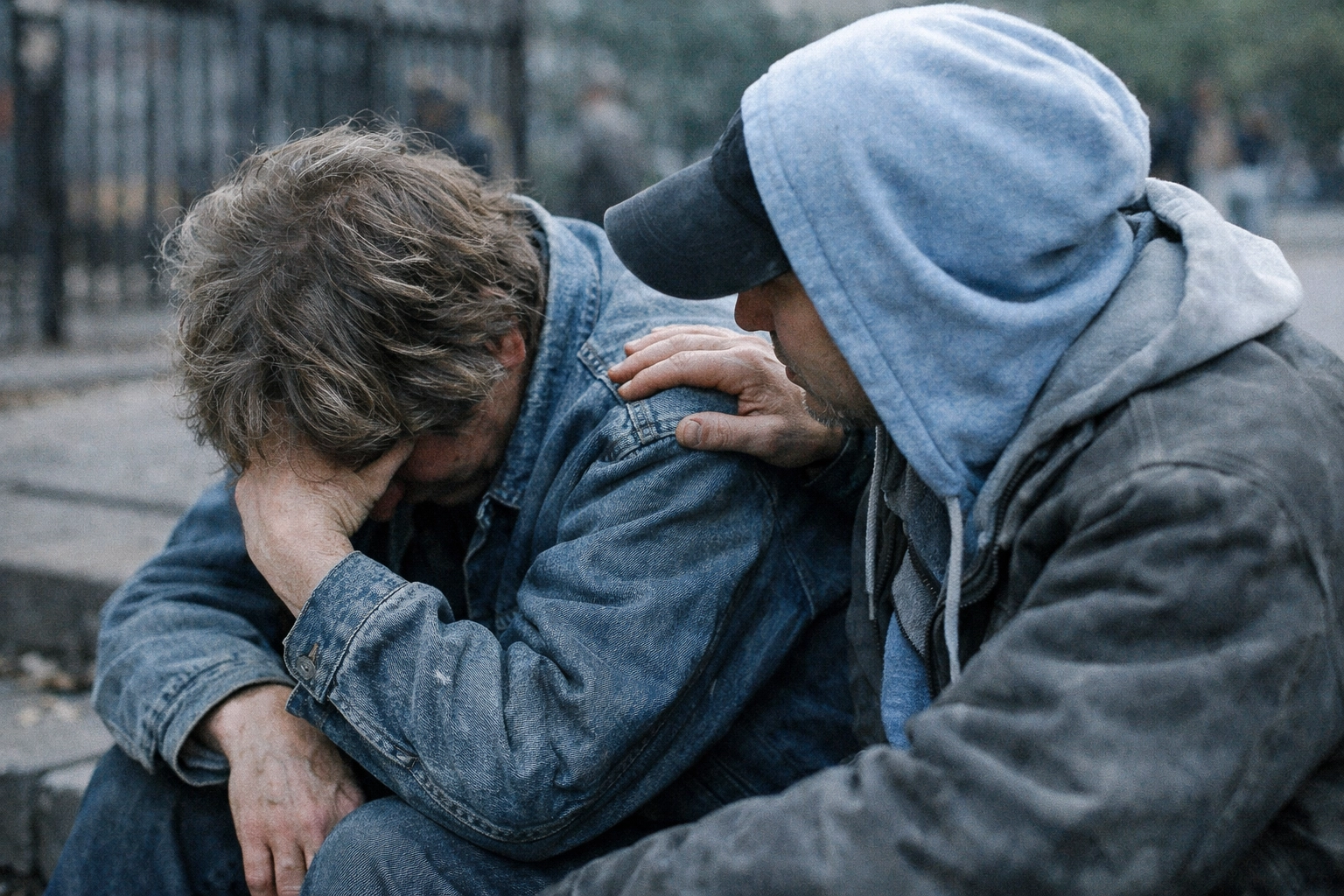
Research backs this up, by the way. People with strong support systems relapse less often. They stick with treatment longer. They're more likely to maintain long-term sobriety. The data is clear: your crew is your safety net.
What a Real "Crew" Actually Looks Like
When I talk about your crew, I'm not just talking about one type of support. This isn't about finding one perfect friend who gets it. Your crew should be multi-layered, diverse, and there for different reasons.
Your peer support people: These are folks who've walked the same road. They know what it's like to wake up and immediately think about using. They understand the shame, the cravings, the fear of failing again. They don't judge because they've been exactly where you are.
At Remix Recovery, we're all about this kind of peer-led support. Our support groups create brave spaces where people can be real, messy, and human without pretending they've got it all figured out.
Your professional support: Therapists, counselors, doctors, these folks bring expertise and clinical guidance. They help you understand the science behind what's happening in your brain. They teach you coping strategies and help you work through trauma or co-occurring mental health stuff.
Your family and friends: The people who knew you before addiction and want to know you in recovery. These relationships might need repair, and that's okay. They can provide continuity and remind you who you really are beyond the addiction.
Your "why not?" connections: These are the unexpected relationships, the person you met at a coffee shop, the gym buddy who doesn't even know about your recovery, the coworker who invites you to lunch. They remind you that you're a whole person with interests and value beyond your recovery journey.
The Accountability Factor Nobody Talks About
Here's something most people won't tell you about recovery: willpower alone won't cut it. You need accountability, and accountability requires other people.

When you know someone's expecting you at group on Tuesday night, you're more likely to show up, even when you don't feel like it. When you've promised your sponsor you'll call if you're struggling, you're more likely to make that call instead of making a bad decision. When your crew knows your triggers and patterns, they can call you out (with love) when you're heading in the wrong direction.
This isn't about being controlled or losing your independence. It's about recognizing that your brain, especially early in recovery, can't always be trusted to make good decisions. Your crew becomes your external compass when your internal one is still recalibrating.
And here's the beautiful part: accountability goes both ways. When you show up for others in their recovery, when you become part of someone else's crew, it reinforces your own commitment. Helping others helps you. That's not selfish, that's how peer support works.
Building Your Crew From Scratch
"Okay, Penny," you might be thinking. "This all sounds great, but I don't have a crew. I'm starting from zero. Now what?"
First, take a breath. Most people in early recovery feel exactly this way. Your crew doesn't appear overnight, and that's completely normal.
Start somewhere. Anywhere.
Show up to a support group, even if it's virtual, even if you don't talk the first few times, even if it feels awkward. Keep showing up. Consistency builds connection.
Say yes when someone asks how you're doing, actually say how you're doing, not just "fine." Vulnerability is magnetic. When you're real with people, they tend to be real back.
Exchange numbers with someone who seems genuine. Follow up. Send that "hey, just checking in" text. Most people in recovery want connection as badly as you do, they're just waiting for someone to make the first move.
Join communities beyond traditional recovery spaces. The motorcycle riders at Remix Racing? The people showing up to our events? They're building crew too, through shared interests and experiences.

Give it time. Trust takes time. Real relationships take time. But every small step counts.
When Your Crew Shows Up in Unexpected Ways
Some of the most powerful recovery stories I've heard involve crews that formed in totally unexpected places. The barista who noticed someone showing up every day at the same time and started having their coffee ready. The dog walker who became an accountability partner without even knowing it. The online forum where someone found their people at 3 AM when they couldn't sleep.
Your crew doesn't have to look like anyone else's crew. It doesn't have to be big. It doesn't have to fit some perfect model.
It just has to be real, consistent, and there when you need it.
The Method Is Just the Vehicle
So yeah, pick a method. Try AA or SMART Recovery or therapy or medication-assisted treatment or peer support groups. Experiment. See what resonates. Get professional guidance on what might work best for your specific situation.
But remember: the method is just the vehicle. Your crew is the fuel that keeps you moving forward.
Recovery isn't a solo sport. It never has been. The people who succeed aren't the ones with the most willpower or the best program: they're the ones who built (or found) a community that wouldn't let them fall.
At Remix Recovery, we get it. We're building brave spaces where people can show up exactly as they are and find their crew. Because we know that recovery happens in community, not in isolation.

Your method might change. Your approach might evolve. But your crew? Those relationships you build, those connections that see you through the hard days, the people who celebrate your wins and sit with you through your struggles?
Those are what carry you through.
Ready to find your crew? Check out our support groups and see where you might belong. We'd love to be part of your recovery story.