
March 8, 2026
By Remix Recovery
Support groups can be life-changing—but only when they’re built to handle the real stuff.
Remix Recovery creates Brave Spaces (based on Jeremy Taubman’s Remix Recovery: Leading a Brave Space) because comfort alone doesn’t change outcomes—courage does.
Here’s why it matters right now: U.S. overdose deaths dropped about 21% in the last year (down to roughly 73,000 as of August 2025). That’s real progress. But the treatment gap is still massive: only 1 in 5 people get the help they need. That means millions of people are still stuck between “I need help” and “I don’t know where to start.”
Brave Spaces are built to be that first point of connection: peer-led, judgment-free, and focused on honest conversation—not performances.
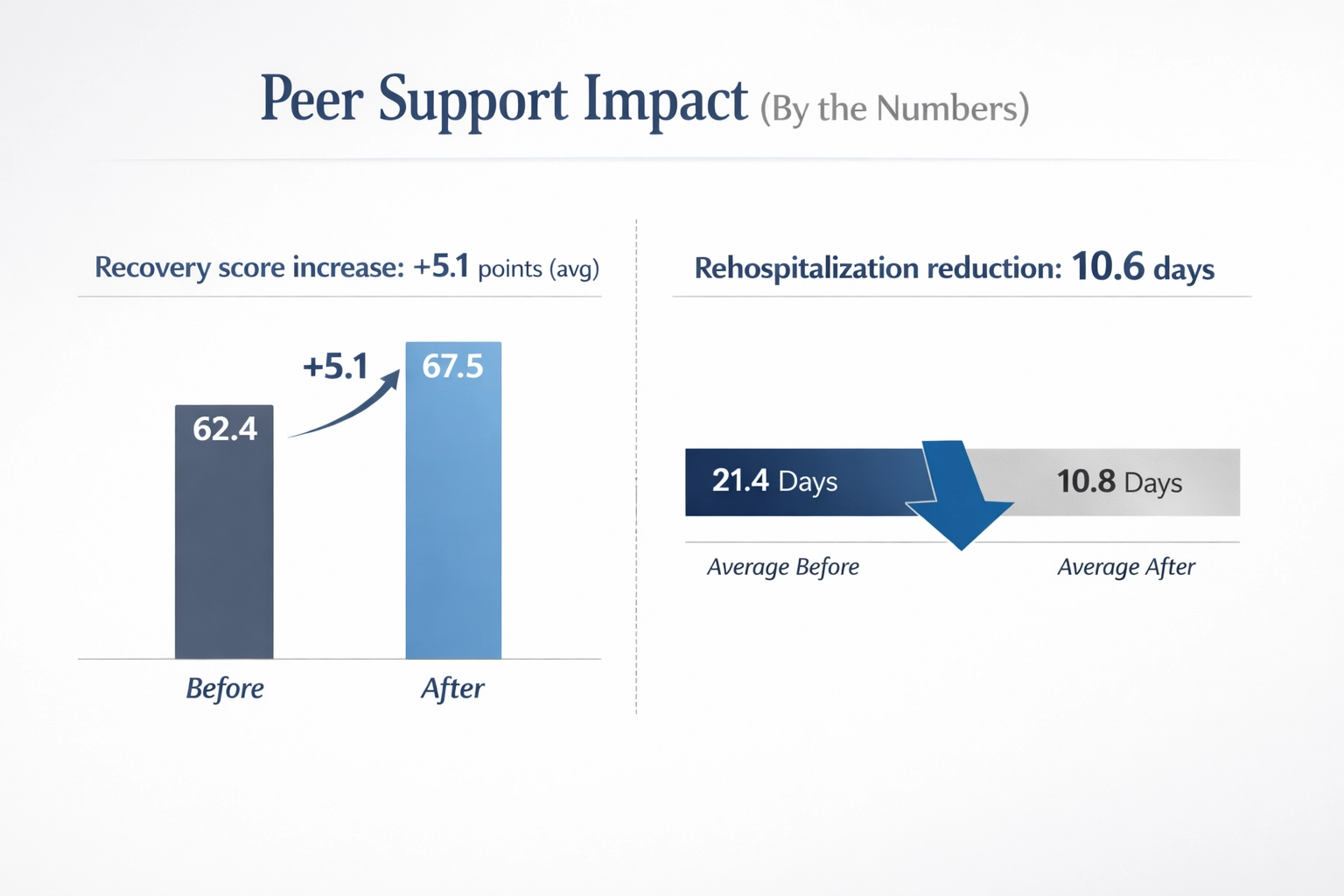
By The Numbers (Peer Support Outcomes)
Peer support isn’t just “nice.” It’s measurable.
- Recovery score increase: +5.1 points (average improvement)
- Rehospitalization reduction: 10.6 fewer days (average reduction)
Brave Space vs Safe Space (Tolerable Dissonance)
A Safe Space is designed to reduce discomfort: lower the temperature, avoid tension, keep things predictable.
A Brave Space is designed for tolerable dissonance—that “stretch zone” where you’re supported, but also gently challenged. Because growth doesn’t happen when we’re only comforted. It happens when we can tell the truth, hear the truth, and stay in the room anyway.
In plain terms:
- Safe Space: “Nothing hard should happen here.”
- Brave Space: “Hard things can be said here—and we’ll face them together.”
Brave Spaces still include basics like privacy, respect, and consent. The difference is the purpose: Brave Spaces don’t aim for “smooth.” They aim for real.
Safety Isn’t the Goal—Bravery Is
Yes—privacy matters. Respect matters. “What you say here stays here” matters.
But Taubman’s point is the one Remix Recovery is built on: safety alone isn’t enough. A room can be technically safe and still produce zero change—because nobody risks honesty.
A Brave Space is where you can show up unpolished and still belong. It’s where we choose bravery over comfort—because silence is expensive.
When you walk into one of our peer support groups, the goal isn’t to “behave correctly.” The goal is to show up as your full self—addiction, bipolar, anxiety, trauma, grief, messy laughter, ugly cries—and still be treated like a human.
Peer-Led, Judgment-Free, and Built on Lived Experience
Our model is peer-led on purpose. In a clinical setting, the person “in charge” often has letters after their name. And to be clear—we love therapists, doctors, meds, rehab, all of it. Clinical care saves lives.
But Brave Spaces aren’t built on credentials. They’re built on lived experience.
When a peer leader looks you in the eye and says, “I’ve been there,” it lands differently—because it’s not theory. It’s memory. It’s survival. It’s someone who knows what withdrawal feels like at 3 a.m., what panic feels like in a grocery store line, what shame feels like when your phone lights up with a number you’re scared to answer.

That’s also why we keep it judgment-free. No diagnosis measuring contest. No “at least you…” no “just be positive.” No performance. Just people showing up honestly and learning how to keep going—together. This is the heart of peer support.
Consumable Checklist: What to Look For in a Brave Space
Use this like a quick filter. If most of these are missing, it’s probably not a Brave Space—it's just a room with chairs.
- Peer-led: Facilitated by trained peers, not “experts talking at you”
- Lived experience: Leaders and members have actually been there
- Authentic dialogue: Honest, direct conversation (not forced positivity)
- No judgment: No “at least you…”, no shame, no hierarchy of suffering
- Consent-based sharing: You can pass, pause, or speak—your choice
- Confidentiality: Clear group agreements that protect people’s stories
- Tolerable dissonance: Supportive challenge is normal, not avoided
- Connection over performance: The goal is belonging, not impressing anyone
Why Vulnerability is a Power Move
We’ve been taught that showing weakness is… well, weak. Especially in "tough" communities, admitting you’re struggling with depression or trauma feels like a liability. But in the Remix Recovery world, vulnerability is the ultimate power move.
It takes zero courage to sit in a chair and say, "I'm doing okay." It takes an incredible amount of guts to sit in that same chair and say, "I’m struggling, I’m scared, and I don't know if I can do this alone."

When one person is brave enough to be real, it gives everyone else in the room permission to do the same. That’s how we break the cycle of silence. That’s how we dismantle the stigma that keeps so many of us trapped. We don't just talk about "coping skills", we talk about the raw, unfiltered reality of the journey. We celebrate the wins, sure, but we also hold space for the days when the wins are nowhere to be found.
More Than Talking: We Show Up Like a Crew
Brave Spaces aren’t just “share and stare.” We move. We engage. We connect like real humans.
Because recovery doesn’t just happen in your head—it happens in your body, your habits, your friendships, your Saturdays, your routines. It happens when someone texts you back. When someone notices you went quiet. When someone says, “Ride with us,” or “Come with,” or “I’ll sit with you.”
That’s where our unconventional roots matter. Remix Recovery grew up around community—especially the motorcycling world—where the culture is tough, loyal, a little loud, and built on showing up for your people. We bring that same energy into recovery: real talk, real accountability, real connection.
We’re not just a “support group.” We’re a crew. We’re a movement. And we’re always looking for more people to roll with us—check out our events splash page to see what’s coming up!
The Accountability Factor
In a traditional setting, accountability often feels like a lecture. At Remix Recovery, accountability feels like brotherhood (and sisterhood).
Because we operate on a peer-led model, we hold each other to a higher standard. We know the excuses because we’ve used them ourselves. We know the "masks" because we’ve worn them. In a Brave Space, your peers will call you out, not to shame you, but because they know you’re capable of more.
This kind of mutual support is what creates lasting change. It’s not about checking a box for a parole officer or a doctor; it’s about showing up for the people who are walking right beside you. We’re all in this together, and nobody gets left behind.
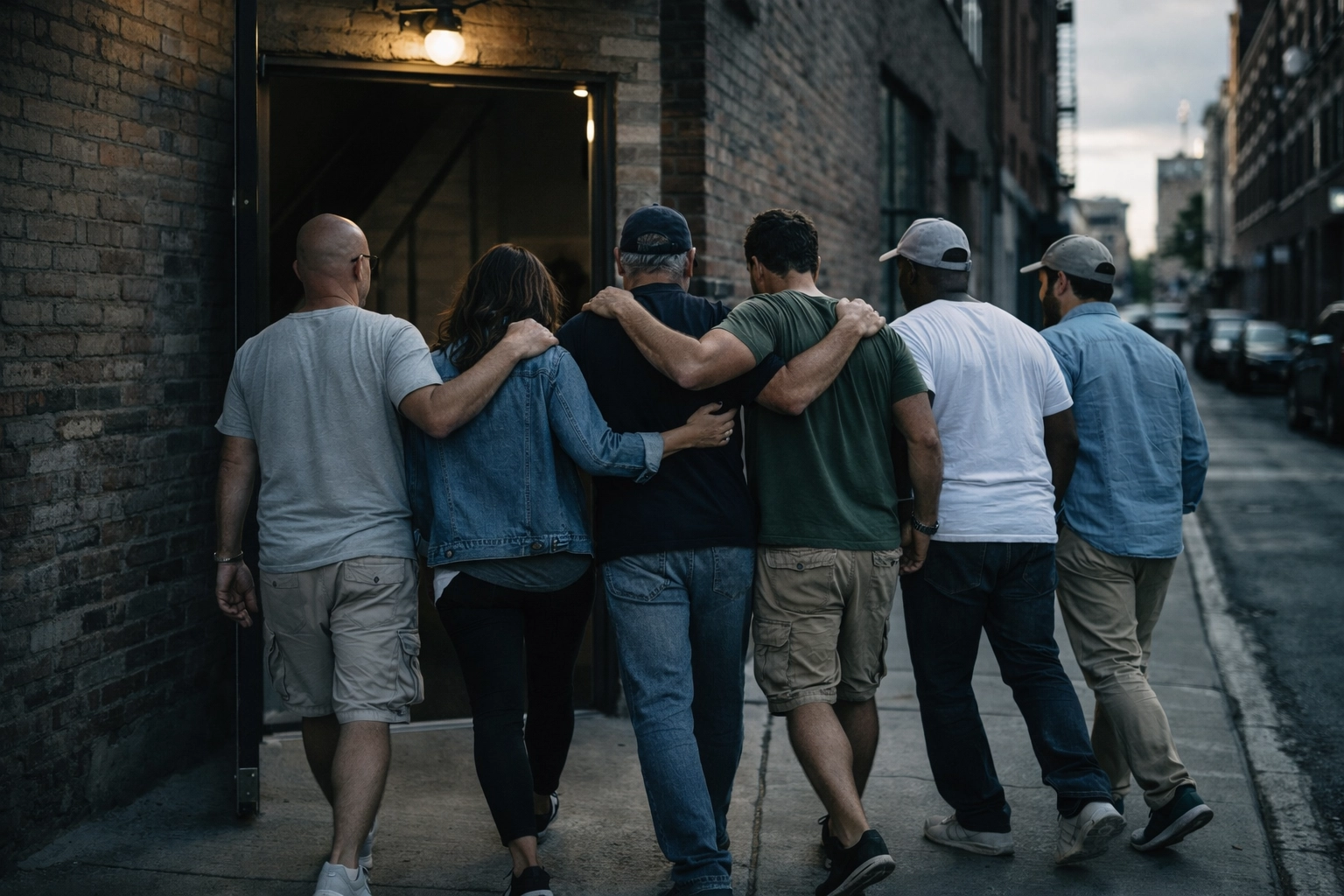
Join the Brave Space Movement
If you’ve been feeling like you don't "fit" into the traditional recovery scene, it’s probably because you were made for something braver. You don't need a textbook to tell you how to heal, you need a community that understands your story without you having to explain it.
Remix Recovery is here to provide that space. Whether you’re dealing with addiction, mental health challenges, or the aftermath of trauma, there is a seat for you here. And no, it’s not a boring folding chair in a basement. It’s a place where your lived experience is your greatest asset.
Ready to see what a Brave Space looks like in action?
- Check out our Support Groups
- See how you can Support Our Mission
- Learn more about our Brave Space Model
Stop trying to be "fine." Start being brave. We’ll see you in the circle: the real one.
Remix Recovery: Brave. Authentic. Peer-Led.