
If solving addiction was as simple as "just don't use," we wouldn't have 48.4 million Americans struggling with substance use disorders right now. Let's talk about why the willpower myth keeps failing: and what actually saves lives.
The Willpower Myth Is Killing People
Here's the uncomfortable truth: addiction isn't a character flaw. It's not about being weak, lacking discipline, or not wanting it badly enough. Addiction is a complex medical condition that rewires the brain, and treating it like a moral failure is not only inaccurate: it's deadly.
When we tell someone to "just stop" or "try harder," we're essentially telling a diabetic to "just make more insulin." It doesn't work that way. Yet this myth persists because it's comfortable. It lets society off the hook. If addiction is about willpower, then it's not our problem to solve.
The reality? Of the 48.4 million Americans with substance use disorders, only 23% received treatment in the past year. That's not because people don't want help. It's because stigma, cost, and systemic barriers keep them from getting it.
Stigma Is the Real Enemy
Let's get specific about what stigma actually looks like in 2026. It's not just rude comments or side-eyes. It's embedded in our healthcare system, our policies, and even in the people who are supposed to help.
A national study found that healthcare providers themselves harbor massive stigma toward people with substance use disorders. Their stigma scores for stimulant and opioid use disorders were significantly higher than for depression, HIV, or Type 2 diabetes. Think about that. Medical professionals: people trained to treat illness: view addiction as less worthy of care than other chronic conditions.
Even worse? 22% of providers said "there is little I can do to help patients like this." You'd never hear that about someone with heart disease or asthma, but for addiction? It's a shrug and a closed door.
This isn't just offensive: it's a direct barrier to treatment. When providers doubt treatment works or hold stigmatizing beliefs, they're less likely to screen for substance use, refer patients to specialized care, or even discuss recovery options.
What Stigma Costs Us
The human cost of stigma is staggering. People avoid seeking help because they fear judgment, job loss, or losing custody of their kids. They hide their struggles until it's too late. They die alone because asking for help felt more dangerous than using.
Institutional barriers make it worse: time constraints, lack of training, limited referral resources, legal concerns, and zero privacy in clinical settings. The system itself is designed to make people feel ashamed for needing help.
But here's what gives me hope: of the 30.5 million Americans who felt they had a substance use problem, around 22 million (73.1%) report being in recovery. Recovery is not only possible: it's happening every single day. The problem isn't that treatment doesn't work. The problem is that stigma keeps people from accessing it.

What Actually Works: Community Over Willpower
So if "just don't use" doesn't work, what does? The answer is surprisingly simple: community-driven, evidence-based care.
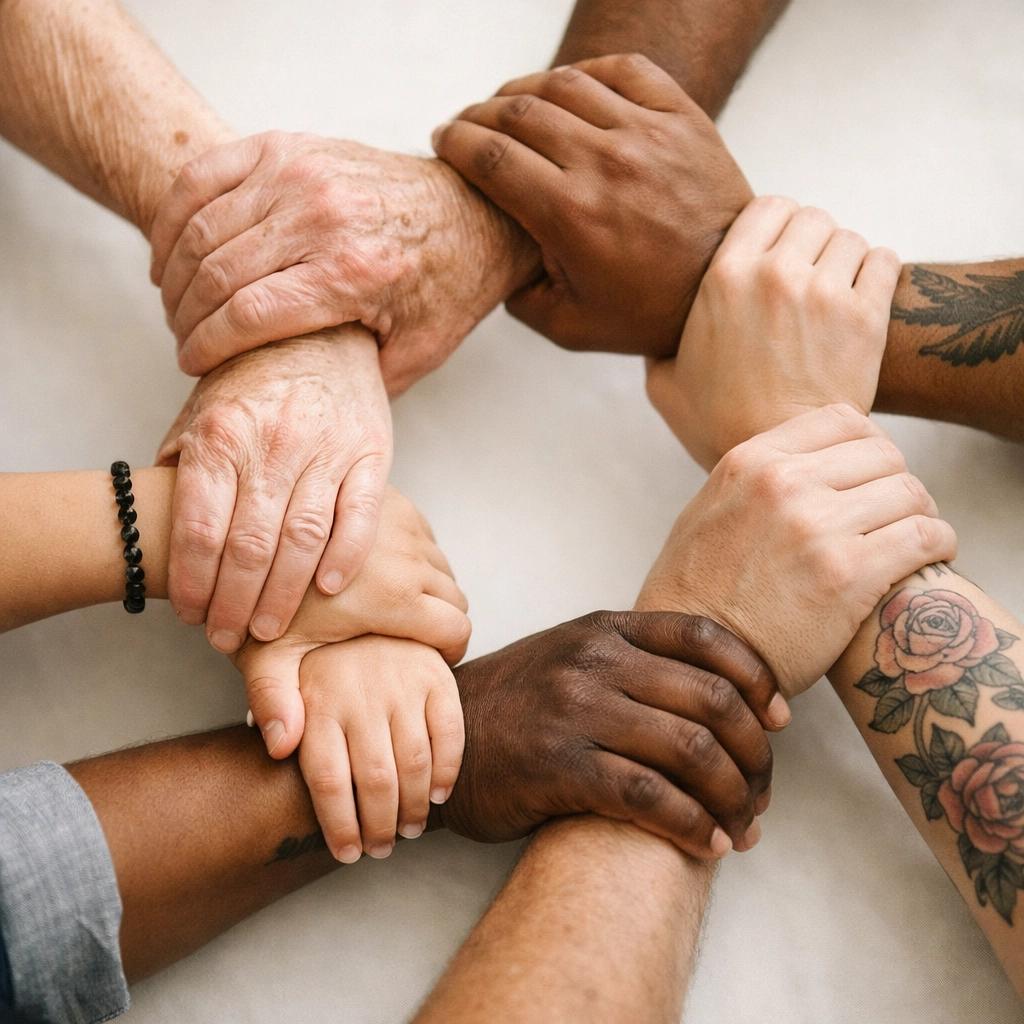
Addiction requires the same approach as any other chronic disease: medication, behavioral therapy, and sustained support. But here's where recovery gets revolutionary: it's not a solo journey. It's a community effort.
Peer support groups create spaces where people can be honest without judgment. When you're surrounded by others who've walked the same path, the shame starts to dissolve. You realize you're not broken, you're not alone, and recovery is actually possible.
Recovery support groups provide practical tools, accountability, and connection. They remind you that relapse isn't failure: it's part of the process. They celebrate your wins and hold you steady through the hard days.
Community-based programs like Remix Recovery understand that recovery isn't one-size-fits-all. Maybe you need a crew to ride with. Maybe you need someone who gets the biker lifestyle and won't judge your ink or your past. Maybe you need people who've been through hell and came out the other side still standing.

The Science Backs It Up
Evidence-based treatment for substance use disorders includes:
Medication-Assisted Treatment (MAT): Using medications like buprenorphine, methadone, or naltrexone to reduce cravings and withdrawal symptoms. This isn't "replacing one drug with another": it's treating a medical condition with medicine, just like insulin for diabetes.
Behavioral Therapy: Cognitive behavioral therapy (CBT), motivational interviewing, and trauma-informed care help address the underlying issues driving substance use.
Long-Term Support: Recovery is a marathon, not a sprint. Ongoing peer support, check-ins, and community connection significantly improve long-term outcomes.
The kicker? These approaches work. They work really well. But they require us to stop treating addiction as a moral problem and start treating it as a medical one.
Dismantling Stigma Starts With Language
Words matter. The way we talk about addiction shapes how we treat it: and how people struggling feel about seeking help.
Instead of "addict" or "junkie," say person with substance use disorder. Instead of "clean" or "dirty," say in recovery or actively using. Instead of "drug abuse," say substance use.
These aren't just semantic changes. They're a fundamental shift in how we view people. Person-first language reminds us that addiction doesn't define someone: it's a condition they're dealing with, not who they are.
Call out stigma when you see it. Push back against "just don't use" rhetoric. Share recovery stories that show the complexity and humanity behind the headlines.

Building a Brave Space for Recovery
At Remix Recovery, we're not interested in shame-based approaches or outdated "tough love" philosophies. We're building a brave space where people can show up exactly as they are: messy, struggling, imperfect: and find support.
Recovery happens in community. It happens when someone says "me too" and you realize you're not alone. It happens when peer support workers who've been there themselves offer hope based on lived experience, not textbook theory.
We're creating spaces where bikers, veterans, artists, parents, and anyone else can find their crew. Where addiction stigma gets left at the door and real, honest conversation can happen.
What You Can Do Right Now
If you're struggling, know this: your life is worth saving, and recovery is possible. Reach out. Find your people. Check out Remix Recovery and see what community-driven recovery looks like.
If you love someone who's struggling, educate yourself. Learn about substance use disorders as medical conditions. Offer support without judgment. Connect them to resources. Show up, even when it's hard.
If you're a provider, get trained in addiction medicine and trauma-informed care. Challenge your own biases. Treat people with substance use disorders the same way you'd treat anyone else with a chronic condition: with compassion and evidence-based care.
The "just don't use" approach has failed for decades. It's time to try something that actually works: community, compassion, and evidence-based treatment.
Recovery is happening. The question is: are we brave enough to support it?