
March 8, 2026
By Remix Recovery
Addiction stigma is a wall. Here’s the practical, real-world guide to tearing it down.
At Remix Recovery, we’re not here to “be nicer” about addiction. We’re here to change what people do—how they talk, vote, hire, treat, fund, and show up.
The Architecture of the Wall: Why Stigma Kills
Stigma isn’t one thing. It’s a three-layer wall that keeps people from getting help and keeps communities from investing in what works.
1) The Internal Layer (Self-Stigma)
This is the voice in your own head that says, “I’m broken,” “I’m a failure,” “I don’t deserve help.”
Self-stigma feeds the “why try?” effect—if you think you’re hopeless, you stop reaching for support.
2) The Social Layer (Family, friends, media, workplace culture)
This is the finger-pointing, the jokes, the “just stop,” the silence when someone is struggling.
Social stigma pushes people to hide use, hide pain, and avoid help because being judged feels worse than staying sick.
3) The Structural Layer (Systems + policy)
This is the wall built into hospitals, housing, employment, insurance, and the justice system.
It’s why people get lower-quality care, lose jobs, can’t rent, can’t get treatment quickly, and carry a record long after they’ve rebuilt their life.
The 2025 Signal: A 21% Drop We Should Learn From
Here’s the part people miss: stigma isn’t just “mean.” It’s expensive, deadly, and preventable.
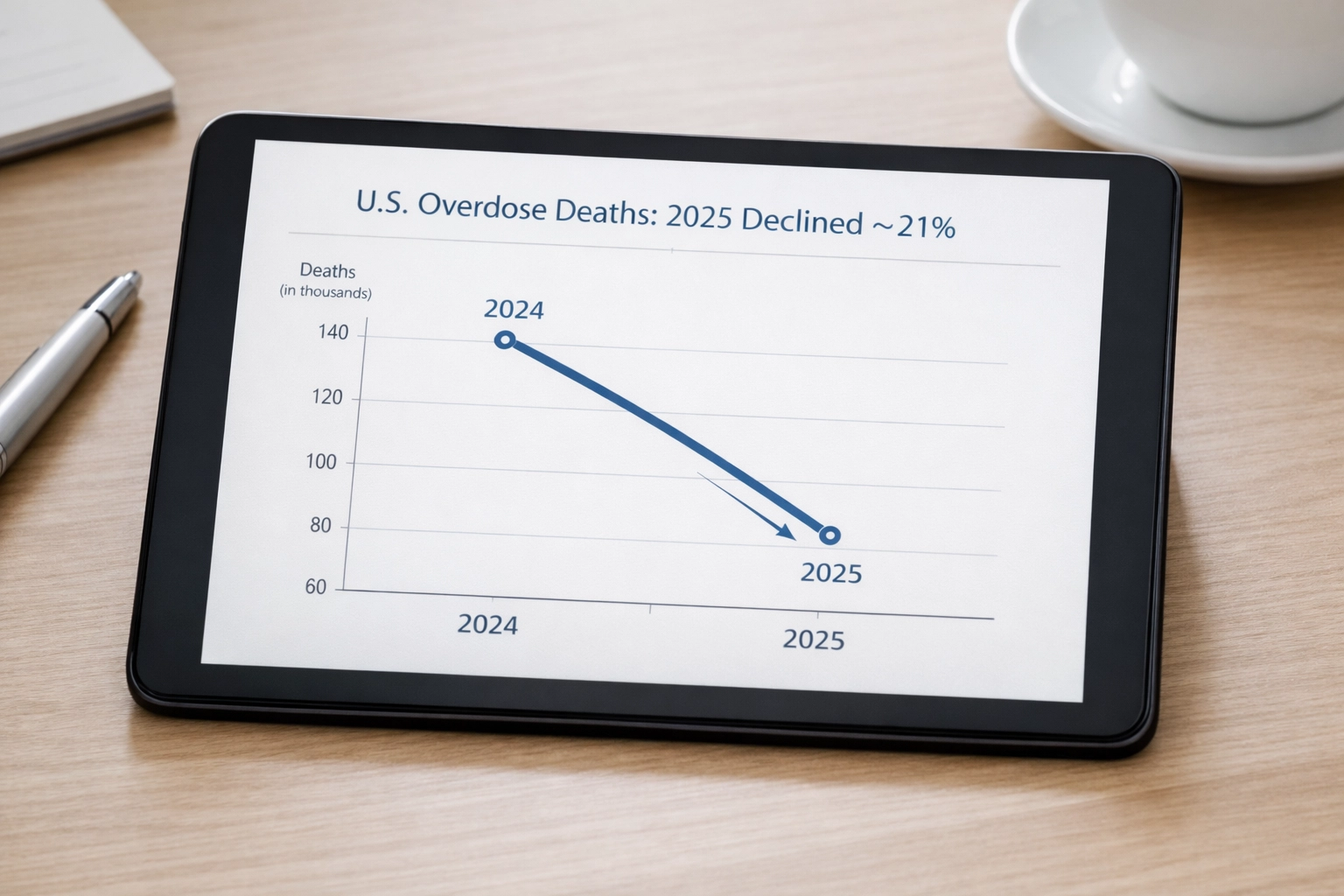
In 2025, U.S. overdose deaths declined by ~21%, widely linked to expanded harm reduction and increased access to peer-led recovery support. That’s not a vibe shift. That’s what happens when we stop punishing people for struggling and start building real, human, low-barrier pathways to survival and recovery.
Takeaway: People don’t recover because they’re shamed. People recover when support is real, accessible, and repeated.
Shifting the Narrative: What Happened to You?
If you only learn one thing from this guide, make it this: “What’s wrong with you?” keeps the wall up. “What happened to you?” starts taking bricks out.
Here’s why that question matters so much:
- It moves the goal from blame to understanding. Shame shuts people down. Curiosity opens doors.
- It points toward solutions. If addiction is tied to trauma, pain, isolation, grief, mental health, unsafe environments, then “just stop” isn’t a plan.
- It changes how helpers show up. You can’t support someone you’re busy judging.
Try these swaps in real life (they’re simple, but they’re powerful):
- “Why can’t you just stop?” → “What helps even a little right now?”
- “You’re throwing your life away.” → “I’m worried. Do you want help finding support?”
- “You can’t be trusted.” → “What would safer look like today?”
Check out more about how we view these journeys at https://remixrecovery.org/archives/971.
The Brave Space Model: Community as a Sledgehammer
Stigma thrives in silence. Brave Spaces don’t.
At Remix Recovery, Brave Space means: we don’t pretend this is easy, and we don’t do it alone. It’s not “safe” as in “nothing hard gets said.” It’s “brave” as in you can tell the truth here, and you won’t get punished for it.
Here’s what makes peer-led Brave Spaces such a stigma-killer (and why it connects to that 2025 progress):
- Lived experience changes the power dynamic. You’re not a problem being managed—you’re a person being understood.
- Peers translate the system. Treatment, meetings, resources, paperwork, relapse risk—peers help you navigate the maze without shame.
- Belonging beats lectures. When someone says, “Me too,” the wall cracks.
- Accountability becomes human. It’s not “you failed.” It’s “we’re still here—what’s next?”
As we’ve discussed in our recent archives, movement and activity-based support change the game because they remind us what our bodies and minds can do when they aren’t being crushed by secrecy.
Quick Glossary (Consumable)
Lived Experience
Real, first-hand experience navigating addiction, recovery, mental health challenges, stigma, the system—then using that experience to support others with empathy and credibility.
Harm Reduction
Practical, non-judgmental strategies that reduce risk and keep people alive (even if they aren’t ready or able to stop using today). Think: naloxone access, safer-use education, fentanyl test strips, supportive outreach, and pathways into treatment when someone’s ready.
Real-World Solutions: How You Can Help Tear It Down
If you want to be part of the 21% kind of progress, do the stuff that actually changes outcomes.
1) Use language that keeps doors open
Try person-first language (“person who uses drugs,” “person in recovery”).
Bonus: drop the labels when you can and just say their name.
2) Replace “tough love” with real support
“Tough love” often means isolation. Isolation is where overdose risk lives.
Try: rides, meals, childcare, job leads, sitting with someone while they make the call.
3) Normalize harm reduction
Keeping someone alive isn’t “enabling.” It’s giving them a chance to recover.
Carry naloxone if you can. Learn how to use it. Share resources without shame.
4) Push for systems that don’t punish recovery
Support policies and orgs that improve access: low-barrier treatment, housing, healthcare, re-entry support, peer programs, harm reduction services.
5) Be the calm person in the moment
If someone is struggling, lead with:
“I’m here. You’re not alone. What would help right now?”

We Are Not Alone
The most dangerous lie stigma tells us is that we are alone. It wants us to think that no one else understands, that no one else has felt this specific brand of pain, and that we are the only ones "broken" enough to end up here.
But look around. Remix Recovery exists because thousands of us have been there. We have felt the weight of the secret, the sting of the judgment, and the coldness of the system. And we are still here. We are thriving, we are racing, we are moving, and we are speaking our truth.
Stigma is a wall, but walls can be demolished. It starts with one conversation. It starts with one person deciding to be brave. It starts with us deciding that our stories are worth telling.
If you’re tired of living behind the wall, come join us. We have plenty of sledgehammers to go around. Check out our upcoming events and how to get involved at https://remixrecovery.org/archives/417 and join a community that values your journey over your mistakes.

The Path Forward
The road to recovery is rarely a straight line. It’s more like a race track: full of sharp turns, sudden obstacles, and the occasional crash. But you don’t win the race by staring at the wall; you win it by keeping your eyes on the track and trusting your crew.
We are your crew. We are the ones who will stand with you when the stigma feels too heavy to carry. We will help you find the words to explain your "what happened" so you can stop apologizing for "what’s wrong."
Let's stop hiding. Let's stop apologizing for surviving. Let’s tear this wall down, piece by piece, until there’s nothing left but the open road.
Stay brave. Stay gritty. Stay with us.
Looking for more resources? Explore our archives for more on mental health, addiction recovery, and the power of peer support: